The library

The research peptide library.

A reference catalog of characterized research peptides - incretin & metabolic, regenerative, longevity & mitochondrial, and neuropeptide classes. Each entry documents the sequence, molecular weight, mechanism studied in vitro, and the literature behind it. Every vial is identity-verified, third-party tested, made in the USA, and traceable to its own COA by lot. Real specs. Real citations.

Lab-tested · third-party verified · made in the USA
24 characterized5 research classes

Start here

What these peptides are

Peptides are short chains of amino acids - signaling molecules that bind specific receptors. Each entry in this library is characterized to its sequence and the receptor pathways it has been studied to modulate in cell-based and isolated-tissue models. This is reference documentation, not guidance for use.

Browse all 24 below by research class, or open any one for the full picture: mechanism of action, the in-vitro and in-vivo models it appears in, the molecular specs, the peer-reviewed literature, and straight answers to common questions. Sold as research-use-only reference materials; not for human or animal consumption.

The full library

Browse by research class

Every entry is characterized to its sequence and the pathways it has been studied to modulate in vitro. Open any one for full mechanism, models, specs, and literature.

Growth-hormone secretagogues

8
Synthetic growth-hormone-releasing hormone
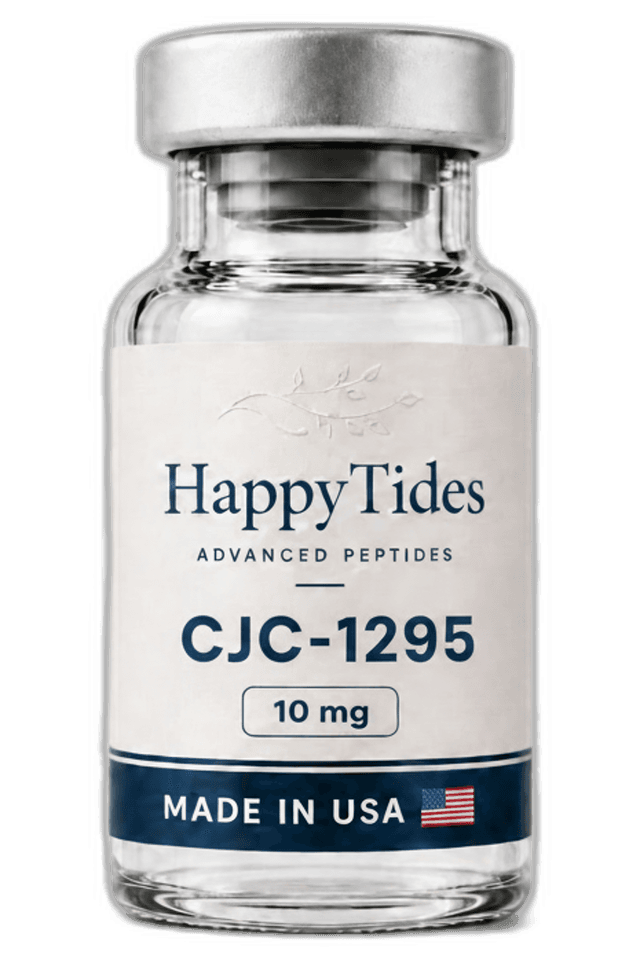
CJC-1295 with DACIn receptor-signaling terms, the GRF(1-29) backbone of this molecule is a ligand for the growth-hormone-releasing-hormone receptor (GHRHR), a class-B secretin-family G-protein-coupled receptor expressed on pituitary somatotroph cells. Ligand binding promotes coupling to the stimulatory Gs protein, activating adenylate cyclase and raising intracellular cyclic AMP; cAMP activates protein kinase A, which phosphorylates the CREB transcription factor and, with Pit-1, modulates growth-hormone gene transcription, alongside increased intracellular calcium. The four backbone substitutions (D-Ala2, Gln8, Ala15, Leu27) reduce susceptibility to dipeptidyl-peptidase-IV and other proteolytic cleavage in vitro. The distinguishing "DAC" feature is an Nε-maleimidopropionyl linker on a C-terminal Lys30: the maleimide reacts selectively with the free thiol of cysteine-34 on serum albumin, forming a stable thioether bioconjugate (1:1 loading). This albumin tethering is the basis for the molecule's extended plasma residence in pharmacokinetic studies. All statements here describe in-vitro receptor coupling and conjugation chemistry, not clinical outcomes.View entry →
Synthetic growth hormone-releasing hormoneAvailable
CJC-1295 without DACIn receptor-level studies, this tetrasubstituted GHRH(1-29) amide acts as an agonist at the growth hormone-releasing hormone receptor (GHRH-R), a class B G protein-coupled receptor expressed on pituitary somatotroph cells. Ligand binding couples through Gs to activate adenylyl cyclase, raising intracellular cAMP and engaging protein kinase A signaling; in model systems this is associated with downstream calcium influx and somatotroph signaling consistent with GH-axis activation. The four substitutions relative to native GRF(1-29) - D-Ala at position 2, Gln8, Ala15, and Leu27 - are introduced at metabolically labile or oxidation-prone sites; the D-Ala2 substitution in particular confers resistance to dipeptidyl peptidase-IV cleavage, reducing in-vitro/ex-vivo metabolic clearance relative to the unmodified peptide. Unlike the drug-affinity-complex (DAC) variant, the no-DAC form lacks the maleimidopropionyl-Lys30 albumin-binding extension, so it does not form covalent serum-albumin bioconjugates and exhibits comparatively short receptor-occupancy kinetics in experimental models.View entry →
Synthetic hexapeptide growth hormone secretagogue
GHRP-2GHRP-2 is a synthetic hexapeptide that acts in vitro as a potent agonist of the growth hormone secretagogue receptor type 1a (GHS-R1a), the same class A G-protein-coupled receptor that binds endogenous ghrelin. In receptor-expressing cell systems and isolated anterior pituitary somatotroph preparations, GHS-R1a engagement couples predominantly to Gq/11, activating phospholipase C and generating inositol-1,4,5-trisphosphate (IP3) and diacylglycerol. This mobilizes Ca2+ from intracellular stores and activates protein kinase C, with reported contributions from the PKA/cyclic-AMP axis in some pituitary models. The net signaling output is depolarization and elevated intracellular Ca2+ that drives exocytosis of secretory granules. Pharmacological specificity is supported by blockade with the GHS-R1a antagonist [D-Lys3]-GHRP-6 in myocyte models. GHRP-2 binds at the conserved ligand-activation domain of GHS-R1a characterized after the receptor was cloned by Howard and colleagues. All statements describe in-vitro receptor binding and intracellular signal-transduction events only.View entry →
Growth-hormone-releasing peptide
GHRP-6GHRP-6 is the prototypical synthetic growth-hormone-releasing hexapeptide, studied as an agonist of the growth-hormone-secretagogue receptor 1a (GHS-R1a) through a mechanism entirely distinct from growth-hormone-releasing hormone. Receptor activation drives membrane phosphatidylinositol turnover, generating second messengers that activate protein kinase C and mobilize intracellular calcium stores in pituitary somatotroph models, dose-dependently releasing growth hormone both in vitro and in vivo. The two D-amino acids (D-Trp and D-Phe) confer resistance to enzymatic degradation. GHRP-6 also displays ghrelin-receptor-mediated effects on appetite-signaling pathways in research models. As the historical reference GHRP, it anchors comparative secretagogue studies. Description is strictly mechanistic and in-vitro; no human dosing or therapeutic claim is made.View entry →
Growth-hormone-releasing peptide
HexarelinHexarelin is a synthetic hexapeptide growth-hormone-releasing peptide (GHRP) studied as an agonist of the growth-hormone-secretagogue receptor 1a (GHS-R1a). Activation couples the receptor through Gq/11 to phospholipase C, generating inositol-1,4,5-trisphosphate and diacylglycerol, mobilizing intracellular calcium and engaging protein kinase C in pituitary somatotroph models - a pathway mechanistically distinct from GHRH-receptor cAMP signaling. Two structural modifications, the D-2-methyl-tryptophan at position 2 and the D-phenylalanine at position 5, confer resistance to enzymatic degradation and shape receptor affinity. Beyond the pituitary, hexarelin is also studied for binding to the scavenger receptor CD36 in cardiovascular-tissue models. All description is in-vitro and ex-vivo receptor pharmacology; no therapeutic or human-use claim is made.View entry →
Selective growth-hormone secretagogue
IpamorelinIpamorelin is a synthetic pentapeptide studied as a selective agonist of the growth-hormone-secretagogue receptor 1a (GHS-R1a), the ghrelin receptor expressed on anterior-pituitary somatotrophs. In receptor-signaling terms, agonist binding couples GHS-R1a to Gq/11, activating phospholipase C and raising inositol-trisphosphate and intracellular calcium, which in somatotroph models triggers exocytosis of stored growth-hormone vesicles. Its defining research feature is selectivity: across preclinical models ipamorelin releases growth hormone without the proportional rise in ACTH, cortisol, or prolactin seen with earlier secretagogues - a property attributed to the two non-coded residues (aminoisobutyric acid and D-2-naphthylalanine) that shape its receptor interaction. Reported activity is mechanistic and model-system based; no human dosing, therapeutic, or outcome claim is made.View entry →
Growth hormone-releasing hormone
SermorelinSermorelin is the N-terminal 1-29 fragment of human GHRH and retains the full intrinsic activity of the parent peptide at the GHRH receptor (GHRHR), a class B G-protein-coupled receptor expressed on anterior-pituitary somatotroph cells. In receptor-signaling terms, agonist binding couples GHRHR to Gs, activating adenylyl cyclase and raising intracellular cAMP, which engages PKA and downstream CREB-mediated transcription. This cascade promotes GH-1 gene transcription and Ca2+-dependent exocytosis of stored growth-hormone secretory granules in cultured somatotrophs. Because signaling occurs through the native receptor, GH output in model systems remains pulsatile and subject to somatostatin (SSTR) counter-regulation and IGF-1 negative feedback, rather than bypassing these control loops. The molecule's short plasma half-life reflects rapid dipeptidyl peptidase-IV cleavage at the Tyr1-Ala2 bond, a determinant studied in stability and analogue-design work. Research framing centers on GHRHR occupancy, cAMP/PKA pathway activation, and comparative somatotroph signaling versus full-length GHRH(1-44) and other secretagogue classes (GHS-R ligands).View entry →
Synthetic growth hormone-releasing hormoneAvailable
TesamorelinIn receptor-level and cell-based systems, tesamorelin is a stabilized analog of growth hormone-releasing hormone that binds the GHRH receptor (GHRHR), a class B G-protein-coupled receptor expressed on anterior pituitary somatotroph cells. Receptor engagement couples to the stimulatory G-protein (Gs), activating adenylyl cyclase and raising intracellular cAMP, which activates protein kinase A (PKA). PKA-mediated phosphorylation of transcription factors such as CREB modulates growth-hormone gene transcription and somatotroph secretory-vesicle mobilization, the canonical GHRH signaling cascade. Structurally, tesamorelin retains the full native GHRH(1-44) sequence but carries a trans-3-hexenoyl group on the N-terminal tyrosine; this lipophilic modification confers resistance to dipeptidyl peptidase-4 (DPP-4) cleavage, the principal route of native GHRH inactivation, prolonging the molecule's stability while preserving receptor-binding determinants. Reported in-vitro and pharmacologic characterizations describe GHRHR agonism and downstream cAMP/PKA pathway activation as the defining signaling properties of the molecule.View entry →

Incretin & metabolic

3
Synthetic incretin-class peptide; unimolecular triple agonist of the GIP receptorAvailable
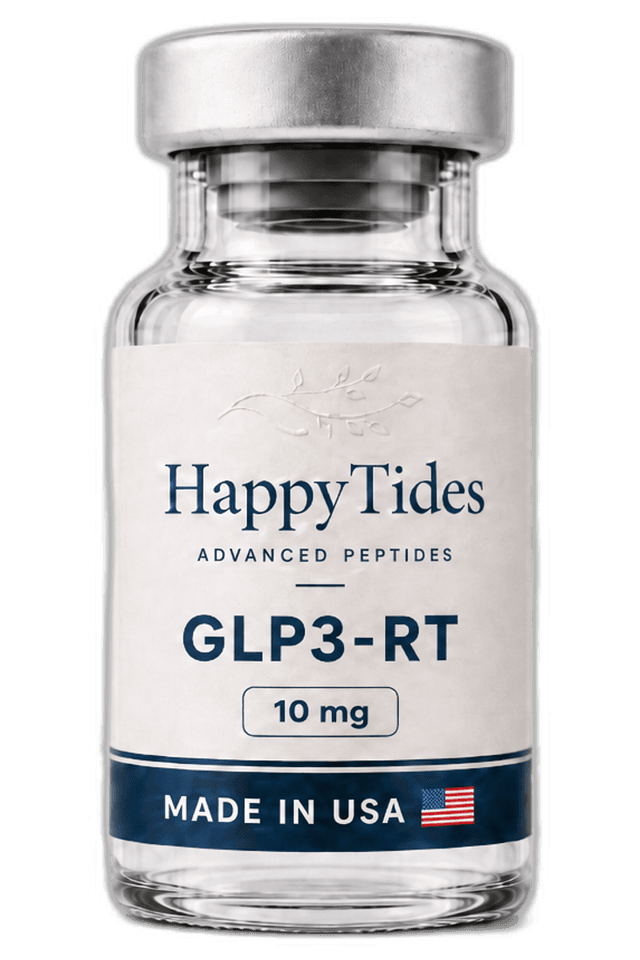
RetatrutideRetatrutide is a unimolecular synthetic peptide that acts as a balanced agonist at three class B1 G-protein-coupled receptors: the GIP receptor (GIPR), GLP-1 receptor (GLP-1R), and glucagon receptor (GCGR). In recombinant cell systems each receptor couples to Gs, so agonist binding drives adenylyl-cyclase activation and intracellular cAMP accumulation, the standard in-vitro readout used to quantify potency. In cell-based cAMP assays the molecule shows relatively greater GIPR activity with comparatively balanced GLP-1R and GCGR engagement. Cryo-electron microscopy of the peptide bound to each receptor-Gs complex shows a conserved N-terminal interaction that inserts into the orthosteric transmembrane pocket to trigger the active-state conformation, while sequence variations in the mid-region peptide are read out by receptor-specific extracellular-loop (ECL1/ECL2) and TM1-tip contacts, rationalizing simultaneous tri-receptor activation. Non-coded residues (Aib, alpha-methyl-leucine) confer protease resistance and helix stabilization, and fatty-diacid acylation promotes albumin binding for extended residence in vitro.View entry →
Acylated GLP-1 receptor agonist
SemaglutideIn receptor-pharmacology models, semaglutide is a full agonist at the glucagon-like peptide-1 receptor (GLP-1R), a class B G-protein-coupled receptor. Binding is clasped between the receptor extracellular domain and transmembrane core; cryo-EM of the semaglutide-GLP-1R-Gs complex shows canonical Gs coupling with a sharp kink in transmembrane helix 6. Receptor activation engages stimulatory Galpha-s, activating adenylate cyclase and raising intracellular cyclic AMP, with reported recombinant GLP-1R binding affinity of ~0.38 nM. Downstream signaling involves PKA and Epac2 pathways, alongside beta-arrestin recruitment and Gq-dependent components described in GLP-1R-expressing cells. Structurally, an alpha-aminoisobutyric-acid (Aib) substitution at position 8 confers resistance to DPP-4 cleavage, the Lys34-to-Arg change directs site-specific acylation, and a C18 fatty-diacid side chain on Lys26 (via a gamma-Glu/OEG linker) drives reversible albumin binding that prolongs molecular residence in vitro. These features are characterized in biochemical, structural, and cell-signaling assays.View entry →
Unimolecular dual GIP and GLP-1 receptor agonist
TirzepatideTirzepatide is a unimolecular dual agonist engineered on the native glucose-dependent insulinotropic polypeptide (GIP) backbone to activate both the GIP receptor and the GLP-1 receptor - two class-B secretin-family G-protein-coupled receptors. In recombinant-cell assays it engages each receptor's Gs-coupling pathway, activating adenylyl cyclase and raising cyclic AMP, with reported potencies in the sub-nanomolar range (GIPR EC50 ≈ 0.042 nM; GLP-1R EC50 ≈ 0.086 nM). Aib substitutions at positions 2 and 13 confer resistance to dipeptidyl-peptidase-IV cleavage, and a C20 fatty-diacid side chain drives reversible albumin binding that extends plasma residence. The molecule is studied as the reference dual-incretin agonist for receptor-signaling and structure-activity work. Description is mechanistic and in-vitro; no human dosing, therapeutic, or efficacy claim is made.View entry →

Regenerative & repair

6
Synthetic pentadecapeptideAvailable
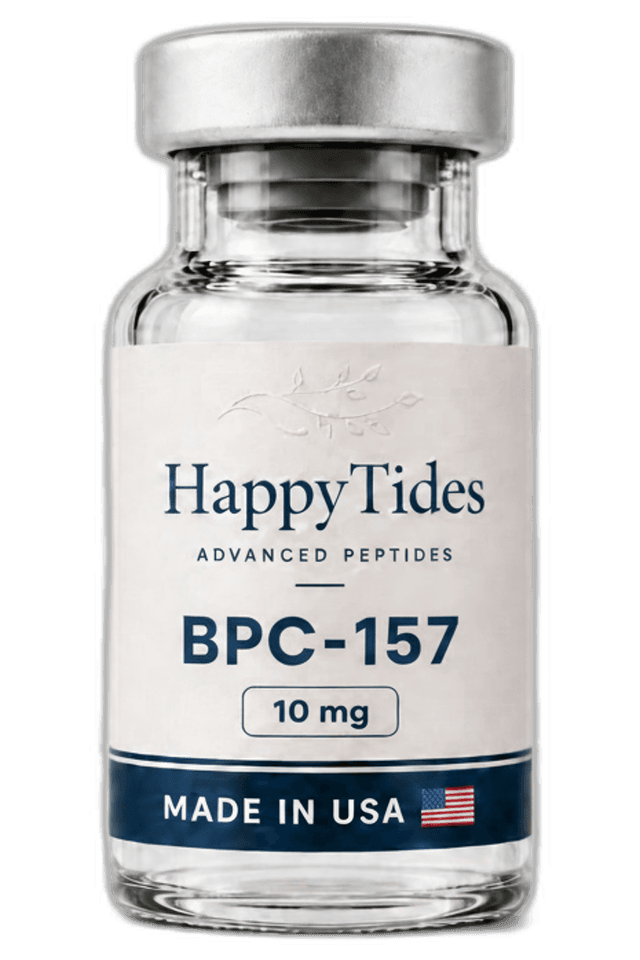
BPC-157In cell-based and isolated-tissue models, BPC-157 functions as a modulator of endothelial and fibroblast signaling rather than acting on a single cloned receptor. In vascular endothelial cells it up-regulates VEGFR2 (KDR) mRNA and protein expression - without raising VEGF-A - and promotes VEGFR2 internalization, driving time-dependent activation of the VEGFR2–Akt–eNOS cascade; these effects are abolished by the endocytosis inhibitor dynasore. A VEGF-independent route engages Src kinase–mediated phosphorylation within the Caveolin-1/eNOS complex, releasing eNOS to increase nitric oxide output and modulate vasomotor tone in a nitric-oxide-dependent manner. In tendon fibroblasts, BPC-157 increases FAK and paxillin phosphorylation, promotes F-actin assembly, and enhances cell spreading and migration. Reported activity spans nanomolar-to-micromolar concentrations in vitro. Reviews frame its broader profile around interaction with the nitric-oxide system. These descriptions are limited to in-vitro and ex-vivo receptor-signaling observations.View entry →
Synthetic growth-hormone-releasing hormone
CJC-1295 with DACIn receptor-signaling terms, the GRF(1-29) backbone of this molecule is a ligand for the growth-hormone-releasing-hormone receptor (GHRHR), a class-B secretin-family G-protein-coupled receptor expressed on pituitary somatotroph cells. Ligand binding promotes coupling to the stimulatory Gs protein, activating adenylate cyclase and raising intracellular cyclic AMP; cAMP activates protein kinase A, which phosphorylates the CREB transcription factor and, with Pit-1, modulates growth-hormone gene transcription, alongside increased intracellular calcium. The four backbone substitutions (D-Ala2, Gln8, Ala15, Leu27) reduce susceptibility to dipeptidyl-peptidase-IV and other proteolytic cleavage in vitro. The distinguishing "DAC" feature is an Nε-maleimidopropionyl linker on a C-terminal Lys30: the maleimide reacts selectively with the free thiol of cysteine-34 on serum albumin, forming a stable thioether bioconjugate (1:1 loading). This albumin tethering is the basis for the molecule's extended plasma residence in pharmacokinetic studies. All statements here describe in-vitro receptor coupling and conjugation chemistry, not clinical outcomes.View entry →
Copper-binding tripeptideAvailable
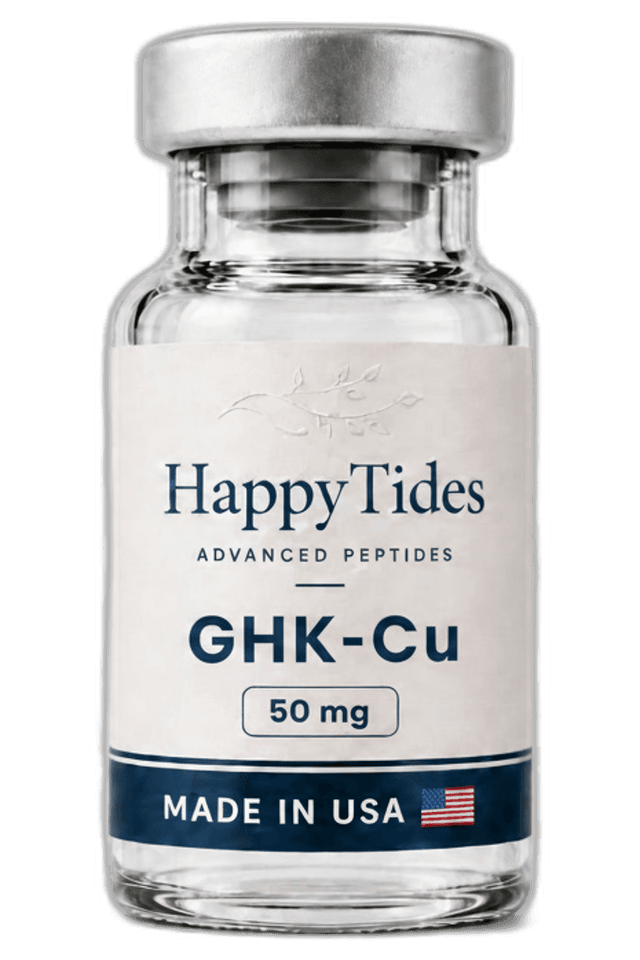
GHK-CuGHK-Cu is the 1:1 coordination complex of the tripeptide glycyl-L-histidyl-L-lysine with Cu(II). In the complex, the copper ion is coordinated by the imidazole nitrogen of histidine, the alpha-amino nitrogen of glycine, and the deprotonated glycyl-histidyl amide nitrogen, with the lysine epsilon-amino group enhancing complex stability (Lau & Sarkar). This high-affinity chelation lets GHK act as a copper carrier and modulates copper redox availability in vitro. In cultured dermal fibroblasts, GHK-Cu stimulates collagen type I/III gene and protein expression, with maximal effect near nanomolar concentrations, independent of changes in cell number (Maquart). It coordinately upregulates matrix metalloproteinase-2 (MMP-2) together with tissue inhibitors TIMP-1/TIMP-2, an MMP-2 effect attributable to the copper moiety rather than the apo-peptide (Siméon). Transcriptomic profiling (Connectivity Map data) indicates GHK modulates a broad gene set associated with extracellular-matrix remodeling, antioxidant response, TGF-beta signaling, and DNA-repair pathways (Pickart & Margolina). Described here strictly as in-vitro receptor-signaling and gene-expression observations.View entry →
Synthetic incretin-class peptide; unimolecular triple agonist of the GIP receptorAvailable
RetatrutideRetatrutide is a unimolecular synthetic peptide that acts as a balanced agonist at three class B1 G-protein-coupled receptors: the GIP receptor (GIPR), GLP-1 receptor (GLP-1R), and glucagon receptor (GCGR). In recombinant cell systems each receptor couples to Gs, so agonist binding drives adenylyl-cyclase activation and intracellular cAMP accumulation, the standard in-vitro readout used to quantify potency. In cell-based cAMP assays the molecule shows relatively greater GIPR activity with comparatively balanced GLP-1R and GCGR engagement. Cryo-electron microscopy of the peptide bound to each receptor-Gs complex shows a conserved N-terminal interaction that inserts into the orthosteric transmembrane pocket to trigger the active-state conformation, while sequence variations in the mid-region peptide are read out by receptor-specific extracellular-loop (ECL1/ECL2) and TM1-tip contacts, rationalizing simultaneous tri-receptor activation. Non-coded residues (Aib, alpha-methyl-leucine) confer protease resistance and helix stabilization, and fatty-diacid acylation promotes albumin binding for extended residence in vitro.View entry →
Acylated GLP-1 receptor agonist
SemaglutideIn receptor-pharmacology models, semaglutide is a full agonist at the glucagon-like peptide-1 receptor (GLP-1R), a class B G-protein-coupled receptor. Binding is clasped between the receptor extracellular domain and transmembrane core; cryo-EM of the semaglutide-GLP-1R-Gs complex shows canonical Gs coupling with a sharp kink in transmembrane helix 6. Receptor activation engages stimulatory Galpha-s, activating adenylate cyclase and raising intracellular cyclic AMP, with reported recombinant GLP-1R binding affinity of ~0.38 nM. Downstream signaling involves PKA and Epac2 pathways, alongside beta-arrestin recruitment and Gq-dependent components described in GLP-1R-expressing cells. Structurally, an alpha-aminoisobutyric-acid (Aib) substitution at position 8 confers resistance to DPP-4 cleavage, the Lys34-to-Arg change directs site-specific acylation, and a C18 fatty-diacid side chain on Lys26 (via a gamma-Glu/OEG linker) drives reversible albumin binding that prolongs molecular residence in vitro. These features are characterized in biochemical, structural, and cell-signaling assays.View entry →
Synthetic β-thymosin-derived heptapeptideAvailable
TB-500TB-500 is the N-acetylated heptapeptide Ac-LKKTETQ derived from residues 17-23 of thymosin β-4, encompassing the conserved LKKTET actin-binding motif characteristic of WH2-domain peptides. In cell-free and cultured-cell systems, parent thymosin β-4 functions as the principal intracellular G-actin (monomeric actin) sequestering peptide: it binds G-actin in a 1:1 complex (reported Kd in the sub-micromolar to low-micromolar range), inhibits nucleotide exchange, and holds actin in a polymerization-incompetent state, thereby buffering the pool of unpolymerized actin available for filament (F-actin) assembly. Mutational and NMR mapping studies localize the principal actin contacts to electrostatic interactions involving the LKKTET motif lysines and an N-terminal helix. At the signaling level, in-vitro models associate this actin-regulatory activity with modulation of cytoskeletal dynamics relevant to endothelial cell migration, tubule formation, and angiogenic sprouting. The framing here is receptor-independent cytoskeletal/biochemical regulation in laboratory models only.View entry →

Nootropic & neuropeptides

5
Synthetic cyclic heptapeptide; alpha-melanocyte-stimulating hormone
BremelanotideBremelanotide is a synthetic cyclic heptapeptide analog of alpha-MSH that acts as a non-selective agonist at melanocortin receptors, with characterized activity at MC1R, MC3R, and MC4R subtypes. The peptide's N-acetyl-Nle cap and the Asp-Lys lactam bridge constrain its conformation, stabilizing the His-D-Phe-Arg-Trp pharmacophore that engages the receptor orthosteric pocket. In vitro, receptor occupancy promotes coupling to Gs and activation of adenylate cyclase, raising intracellular cAMP. In recombinant systems such as HEK-293 cells expressing human MC4R, application of bremelanotide produces concentration-dependent cAMP accumulation in functional reporter assays, and the peptide competes with radiolabeled NDP-alpha-MSH in competitive-binding assays, indices used to quantify agonist potency and affinity. Reported binding favors MC4R over MC3R, with additional MC1R interaction. The D-Phe substitution and cyclic backbone confer resistance to enzymatic degradation relative to linear melanocortin peptides, a structure-activity feature studied in receptor-pharmacology and NMR conformational work. These properties make it a reference ligand for probing melanocortin GPCR signaling and second-messenger cascades in cell-based models.View entry →
Endogenous amphiphilic neuropeptide
DSIPDSIP is a naturally occurring nonapeptide, first isolated from cerebral venous blood during induced sleep, studied as a modulator of stress-resistance and signaling rather than as a single-receptor ligand. In mechanistic work it is reported to interact with components of the MAPK cascade - associated with inhibition of Raf-1 activation and downstream ERK phosphorylation - and shows homology to the glucocorticoid-induced leucine-zipper (GILZ) protein. It is also studied for modulation of enkephalin–opioid-receptor interactions. The N-terminal tryptophan provides a characteristic UV-absorbance signature used in laboratory identification, and the peptide's mixed hydrophilic/hydrophobic residues give it an amphiphilic character. Reported activities are mechanistic, model-system observations (stress-protective, anti-seizure, immunomodulating) and are not statements of clinical efficacy.View entry →
Melanocortin-derived C-terminal tripeptide
KPVKPV is the C-terminal tripeptide of alpha-melanocyte-stimulating hormone (alpha-MSH 11-13). In cultured intestinal epithelial cells (Caco2-BBE, HT29-Cl.19A) and immune cells, in-vitro studies indicate it is taken up via the proton-coupled di/tripeptide transporter PepT1, which is induced in inflamed epithelium. Once intracellular, nanomolar concentrations are reported to attenuate cytokine-stimulated NF-kB and MAP kinase signaling cascades, lowering transcription of pro-inflammatory mediators in receptor-independent fashion (distinct from melanocortin-receptor agonism that drives pigmentation). Cell-based work also describes MC1R-partially-independent signaling and direct antimicrobial/membrane effects of the alpha-MSH C-terminus against organisms such as Candida albicans and Staphylococcus aureus. These observations frame KPV as a transporter-mediated, signaling-pathway modulator at the cellular level. All data here are from in-vitro and preclinical receptor/transporter-signaling models; no human dosing, efficacy, or therapeutic-outcome claims are implied.View entry →
Synthetic tuftsin-analogue heptapeptide
SelankSelank is a synthetic heptapeptide built on the natural immunopeptide tuftsin (Thr-Lys-Pro-Arg) by appending a C-terminal Pro-Gly-Pro tripeptide. The PGP tail resists cleavage by prolyl endopeptidases, markedly extending stability over native tuftsin and improving blood-brain-barrier permeability in research models. Mechanistically it is studied as a modulator of GABAergic neurotransmission - reported as a positive influence on GABA-receptor-associated signaling - alongside serotonergic effects and immunomodulatory activity on interferon and cytokine expression, reflecting its tuftsin heritage. In gene-expression studies it alters transcripts tied to GABAergic signaling and immunity. All characterization is in-vitro and preclinical neuro/immuno-signaling; no therapeutic or human-use claim is made.View entry →
Synthetic melanocortin
SemaxSemax is a synthetic heptapeptide combining the ACTH(4-7) fragment (Met-Glu-His-Phe) with a C-terminal Pro-Gly-Pro tripeptide that confers resistance to aminopeptidase cleavage, prolonging in-vitro and ex-vivo stability relative to native ACTH(4-10). In receptor-binding assays on rat basal forebrain membranes, tritium-labeled Semax shows specific, reversible, time-dependent binding with a dissociation constant in the low-nanomolar range. At the signaling level, ex-vivo and cell-model studies report rapid up-regulation of brain-derived neurotrophic factor (BDNF) protein and exon-specific BDNF mRNA, together with increased tyrosine phosphorylation of the TrkB receptor, implicating downstream neurotrophin-receptor cascades (e.g., MAPK/ERK and PI3K/Akt). Semax lacks the corticotropic N-terminal ACTH residues, so it is described as devoid of classical adrenal-stimulating hormonal activity. Additional reported actions in rodent neurochemical models include modulation of dopaminergic and serotonergic systems and transcriptional regulation of neurotrophins and their receptor genes. These observations frame Semax as a melanocortin-derived modulator of neurotrophin signaling in preclinical systems.View entry →

Longevity & mitochondrial

2
Mitochondrial-derived peptideAvailable
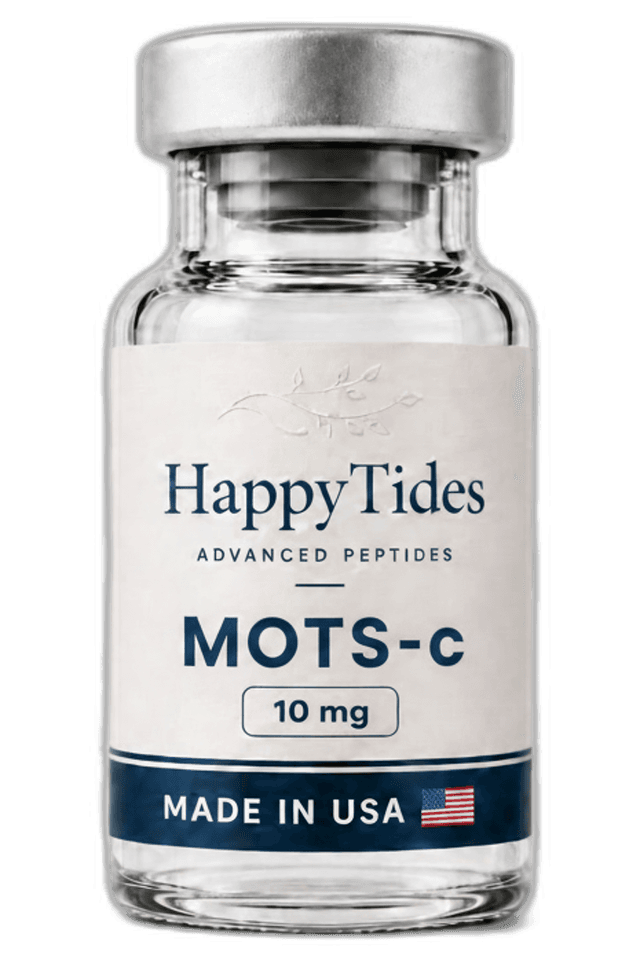
MOTS-cIn cell-culture systems, MOTS-c acts as a regulatory microprotein that modulates the cytosolic folate–methionine one-carbon cycle. By attenuating de novo purine biosynthesis, it promotes accumulation of the intermediate AICAR (5-aminoimidazole-4-carboxamide ribonucleotide), an allosteric activator of AMP-activated protein kinase (AMPK). This represents a non-canonical route to AMPK signaling that is largely independent of acute changes in the cellular AMP:ATP ratio. Under metabolic-stress conditions (e.g., glucose restriction or oxidative challenge) in vitro, MOTS-c translocates from the cytosol to the nucleus in an AMPK-dependent manner, where it associates with stress-responsive transcription factors including NFE2L2/NRF2 and occupies antioxidant-response-element (ARE) and other regulatory regions, shaping nuclear gene-expression programs related to metabolism and redox balance. Reported receptor/signaling readouts in model systems include AMPK phosphorylation, modulation of insulin-stimulated glucose uptake pathways, and altered mitonuclear transcriptional crosstalk. These are mechanistic, model-system observations of signaling behavior and are not statements of clinical efficacy.View entry →
Pyridine dinucleotide redox coenzymeAvailable
NAD+NAD+ is a central redox coenzyme and signaling co-substrate studied across cell-free and cell-based metabolic systems. As an electron acceptor it cycles between NAD+ and NADH, shuttling reducing equivalents through glycolysis, the citric-acid cycle, and oxidative phosphorylation. Beyond redox chemistry, NAD+ is the obligatory co-substrate consumed by three enzyme families that researchers study as readouts: the sirtuin deacylases (SIRT1–7), which couple NAD+ hydrolysis to protein deacetylation and mitochondrial-biogenesis transcription; the poly-ADP-ribose polymerases (PARPs), which use NAD+ in DNA-damage-response signaling; and CD38/cADPR pathways in calcium signaling. Because these enzymes consume NAD+ stoichiometrically, intracellular NAD+ availability is itself a studied variable. All characterization here is mechanistic and in-vitro; no therapeutic or human-outcome claim is made.View entry →

Additional research peptides

3
Growth-hormone C-terminal lipolytic fragment analogue
AOD-9604AOD-9604 is a synthetic 16-residue analogue of the C-terminal lipolytic domain of human growth hormone (residues 176–191), with an added N-terminal tyrosine. It is studied because, in adipocyte and rodent models, it reproduces the lipolytic (fat-mobilizing) signaling of the parent hormone's C-terminal fragment without engaging the growth-hormone receptor and without stimulating IGF-1 production - separating the fragment's metabolic signaling from classical GH-receptor activity. Mechanistic work associates its lipolytic readout with up-regulation of beta-3 adrenergic receptor signaling in fat-cell models rather than direct GH-receptor agonism. The two cysteine residues form an intramolecular disulfide that constrains the fragment's conformation. All description is in-vitro and preclinical receptor/metabolic-signaling characterization; no human therapeutic or efficacy claim is made.View entry →
Synthetic linear tetrapeptide
EpitalonEpitalon (AEDG) is a synthetic tetrapeptide modeled on the amino-acid composition of the pineal extract epithalamin. In vitro, fluorescently labeled AEDG penetrates the cytoplasm and nucleus of cultured cells (e.g., HeLa) and shows sequence-specific binding to deoxyribooligonucleotides and DNA, supporting a proposed epigenetic mode of action at the chromatin level. In telomerase-negative human fetal fibroblast cultures, addition of the peptide is reported to induce expression of the catalytic subunit (hTERT), increase telomerase enzymatic activity (TRAP assay), and extend telomere length; in some cancer cell lines telomere elongation has been attributed to alternative lengthening of telomeres (ALT). The peptide also modulates transcription and protein synthesis, increasing mRNA and protein levels of neurogenic differentiation markers (Nestin, GAP43, beta-Tubulin III, Doublecortin) in cultured human mesenchymal stem cells, and altering IL-2 mRNA and antioxidant-related readouts in model systems. Defined membrane-receptor/second-messenger signaling pathways remain incompletely characterized; current models emphasize direct peptide-DNA/histone interaction and gene-expression modulation rather than a canonical receptor.View entry →
Immunomodulatory thymic peptide
Thymosin Alpha-1Thymosin alpha-1 is a 28-residue N-acetylated peptide, originally isolated from thymic tissue, studied as a modulator of innate- and adaptive-immune signaling. In cell-based models it engages Toll-like receptors TLR2 and TLR9 on dendritic cells and macrophages, triggering downstream IRF3/NF-κB and p38-MAPK signaling that drives dendritic-cell maturation, polarization of T-cell differentiation toward Th1 phenotypes, natural-killer-cell activation, and indoleamine-2,3-dioxygenase-mediated tolerogenic pathways. It induces differentiation of T-cell precursors and stimulates interleukin-2 production and high-affinity IL-2-receptor expression in lymphocyte cultures. The linear sequence carries no cysteines or disulfide bonds. All findings here are in-vitro and ex-vivo immunological observations; no therapeutic or human-outcome claim is made.View entry →

For in-vitro laboratory research use only. Not for human or animal consumption. Bodily introduction into humans or animals is strictly prohibited by law. These compounds are not drugs and are not intended to diagnose, treat, cure, or prevent any disease. These statements have not been evaluated by the FDA.