
NAD+
Also known as NAD+ · Nicotinamide adenine dinucleotide · Coenzyme I · DPN
NAD+ is a central redox coenzyme and signaling co-substrate studied across cell-free and cell-based metabolic systems.
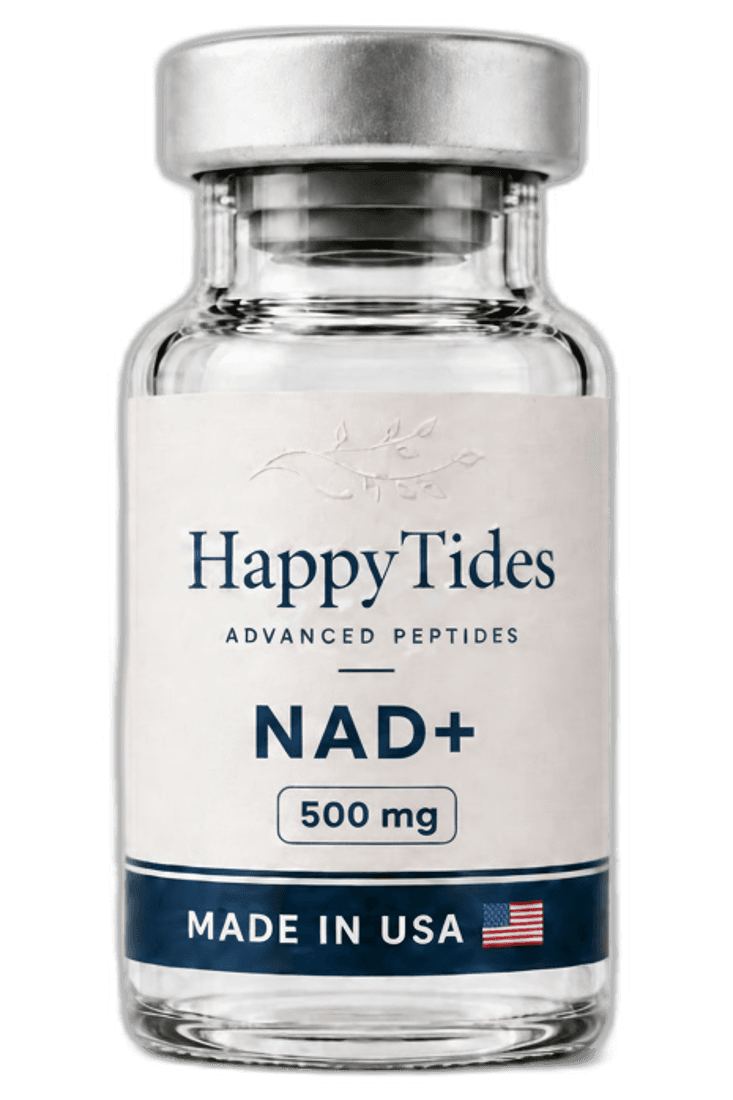
The overview
What is NAD+?
NAD+ is a central redox coenzyme and signaling co-substrate studied across cell-free and cell-based metabolic systems. As an electron acceptor it cycles between NAD+ and NADH, shuttling reducing equivalents through glycolysis, the citric-acid cycle, and oxidative phosphorylation. Beyond redox chemistry, NAD+ is the obligatory co-substrate consumed by three enzyme families that researchers study as readouts: the sirtuin deacylases (SIRT1–7), which couple NAD+ hydrolysis to protein deacetylation and mitochondrial-biogenesis transcription; the poly-ADP-ribose polymerases (PARPs), which use NAD+ in DNA-damage-response signaling; and CD38/cADPR pathways in calcium signaling. Because these enzymes consume NAD+ stoichiometrically, intracellular NAD+ availability is itself a studied variable. All characterization here is mechanistic and in-vitro; no therapeutic or human-outcome claim is made.
In the research
Where NAD+ shows up
The areas researchers focus on with NAD+ - and why it has the science community paying attention.
- Mitochondrial-respiration and oxidative-phosphorylation models
- Sirtuin (SIRT1–7) deacylase activity and cellular-aging studies
- PARP-mediated DNA-damage-response and genotoxic-stress assays
By the numbers
The facts that matter
Sourced, not claimed
The science behind it
The peer-reviewed studies behind NAD+, linked so you can read them yourself.
- Gomes, A. P., et al. (Sinclair lab) (2013). Declining NAD+ induces a pseudohypoxic state disrupting nuclear-mitochondrial communication during aging. Cell.
“Declining NAD+ during aging disrupts nuclear-mitochondrial communication in a sirtuin-dependent manner.”
- Yoshino, J., Baur, J. A., Imai, S. (2018). NAD+ intermediates: the biology and therapeutic potential of NMN and NR. Cell Metabolism.
“NAD+ is a pivotal co-substrate for sirtuins and PARPs that links cellular metabolism to signaling.”
Straight answers
Questions, answered
Is NAD+ approved by the FDA?
No. NAD+ is not an FDA-approved drug. We supply it as a research-use-only reference compound, identity-verified for purity with a COA on every vial.
What class of compound is NAD+?
NAD+ is classified as: Pyridine dinucleotide redox coenzyme / sirtuin and PARP co-substrate (not a peptide - a nucleotide cofactor).
What is the molecular weight of NAD+?
The molecular weight of NAD+ is 663.43 g/mol, with a molecular formula of C21H27N7O14P2.
What is the CAS number for NAD+?
The CAS Registry Number for NAD+ is 53-84-9.

Available now
Get NAD+
Identity-verified, third-party tested, made in the USA, and traceable to its lot - with a scannable COA on every vial. For research use only.
See pricing & order →Go deeper
More on NAD+
Keep exploring
Related peptides
For in-vitro laboratory research use only. Not for human or animal consumption. Bodily introduction into humans or animals is strictly prohibited by law. NAD+ is not a drug and is not intended to diagnose, treat, cure, or prevent any disease. These statements have not been evaluated by the FDA.
Complete the stack
Researchers often pair NAD+ with
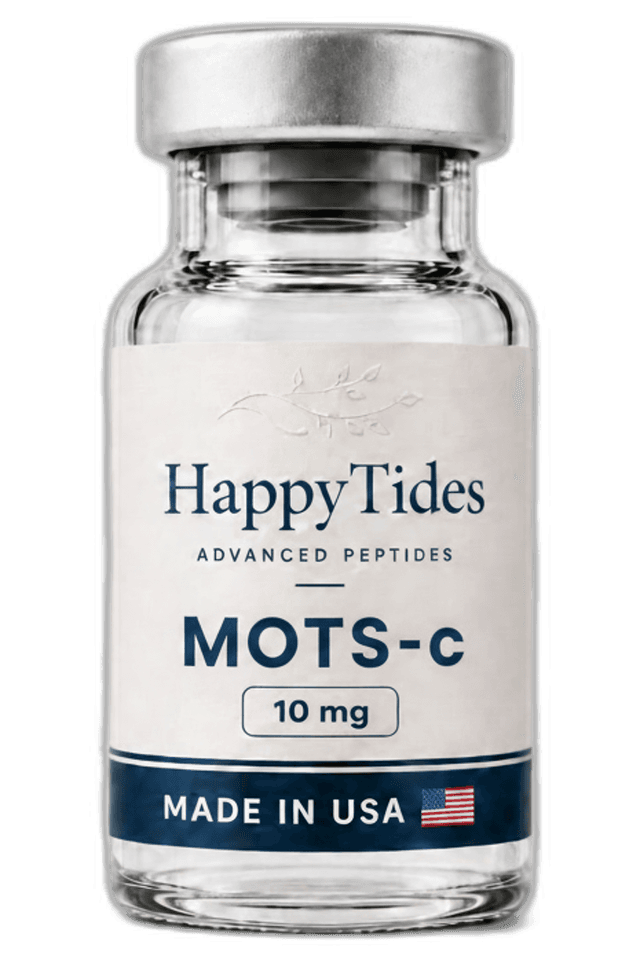
Reciprocal headline mitochondrial-longevity pair - NAD+ substrate research co-modeled with MOTS-c signaling.
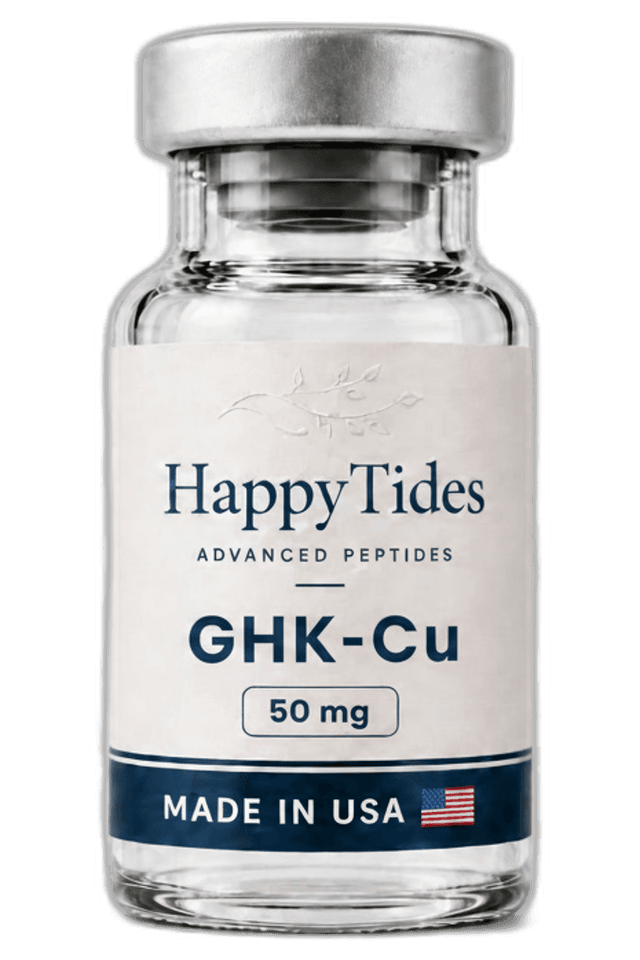
Cellular-energy / longevity research crossed with dermal-aging ECM-remodeling research.
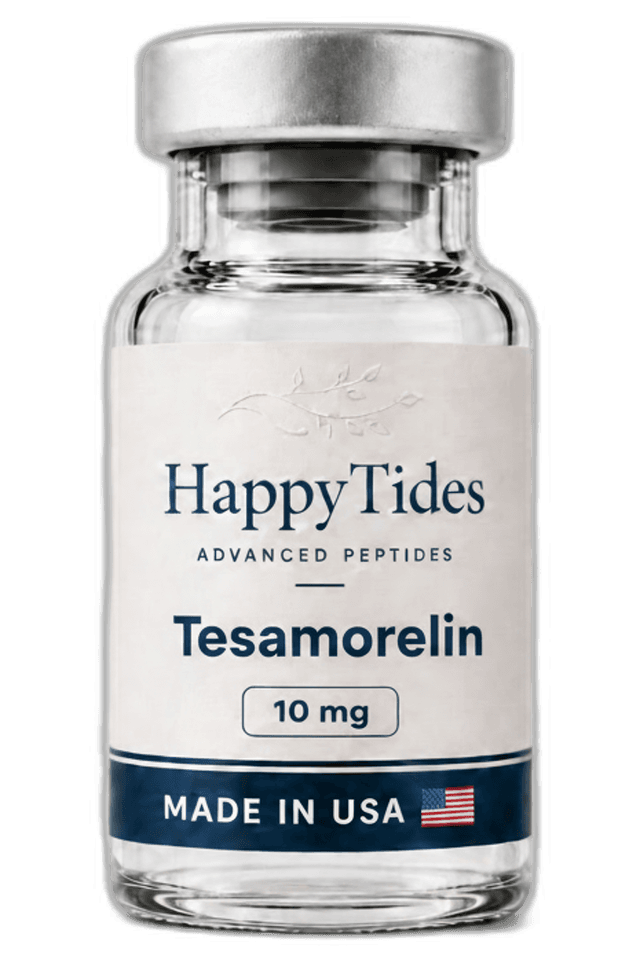
Cellular-energy / longevity research sits adjacent to metabolic GH-axis research.