
BPC-157
Also known as Body Protection Compound 157 · Pentadecapeptide BPC 157 · BPC157 · Bepecin
In cell-based and isolated-tissue models, BPC-157 functions as a modulator of endothelial and fibroblast signaling rather than acting on a single cloned receptor.
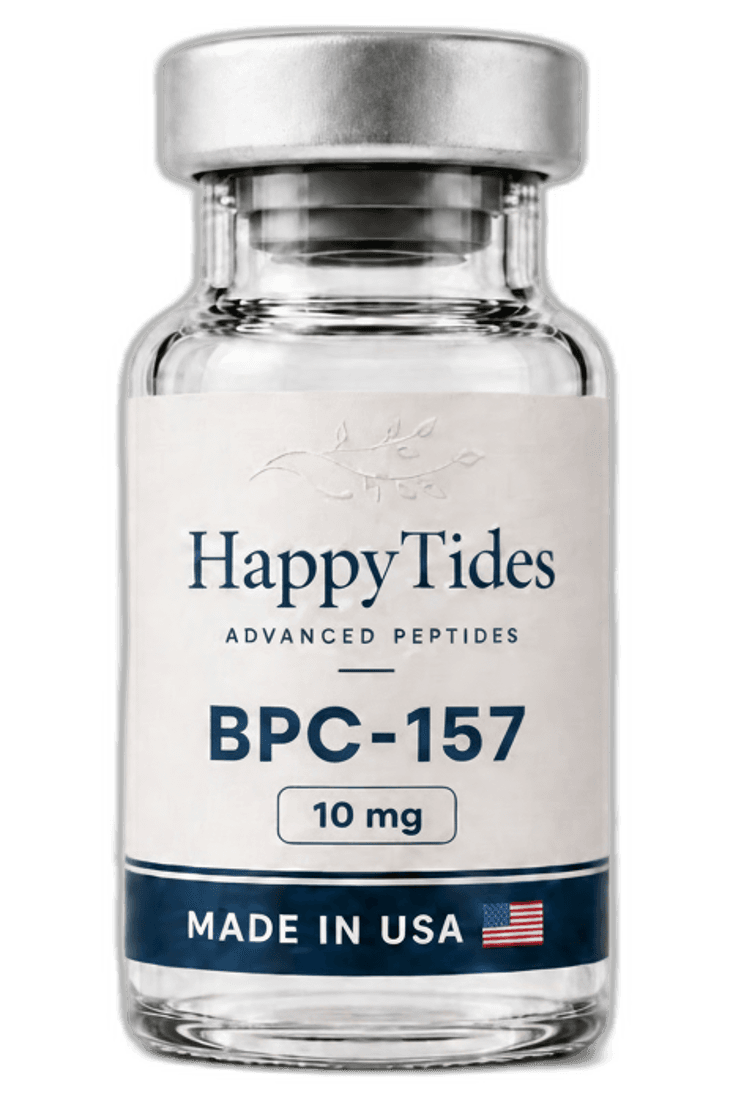
The overview
What is BPC-157?
In cell-based and isolated-tissue models, BPC-157 functions as a modulator of endothelial and fibroblast signaling rather than acting on a single cloned receptor. In vascular endothelial cells it up-regulates VEGFR2 (KDR) mRNA and protein expression - without raising VEGF-A - and promotes VEGFR2 internalization, driving time-dependent activation of the VEGFR2–Akt–eNOS cascade; these effects are abolished by the endocytosis inhibitor dynasore. A VEGF-independent route engages Src kinase–mediated phosphorylation within the Caveolin-1/eNOS complex, releasing eNOS to increase nitric oxide output and modulate vasomotor tone in a nitric-oxide-dependent manner. In tendon fibroblasts, BPC-157 increases FAK and paxillin phosphorylation, promotes F-actin assembly, and enhances cell spreading and migration. Reported activity spans nanomolar-to-micromolar concentrations in vitro. Reviews frame its broader profile around interaction with the nitric-oxide system. These descriptions are limited to in-vitro and ex-vivo receptor-signaling observations.
In the research
Where BPC-157 shows up
The areas researchers focus on with BPC-157 - and why it has the science community paying attention.
- In-vitro angiogenesis signaling (VEGFR2 expression, internalization, and VEGFR2-Akt-eNOS pathway activation in endothelial cells)
- Endothelial nitric oxide synthase (eNOS) regulation via the Src-Caveolin-1 axis and ex-vivo vasomotor-tone modulation
- Tendon fibroblast cytoskeletal signaling (FAK/paxillin phosphorylation, F-actin assembly, cell migration models)
- Nitric-oxide-system interaction as a mechanistic framework in preclinical reviews
- Cellular cytoprotection and oxidative-stress (H2O2) survival assays in fibroblast culture
By the numbers
The facts that matter
To the molecule
Molecular specifications
Gly-Glu-Pro-Pro-Pro-Gly-Lys-Pro-Ala-Asp-Asp-Ala-Gly-Leu-Val (one-letter: GEPPPGKPADDAGLV)Sourced, not claimed
The science behind it
The peer-reviewed studies behind BPC-157, linked so you can read them yourself.
- Chang, C. H., et al. (2014). Pentadecapeptide BPC 157 enhances the growth hormone receptor expression in tendon fibroblasts. Molecules.
- Sikiric, P., Seiwerth, S., et al. (2018). Stable gastric pentadecapeptide BPC 157, G-protein coupled receptor, and angiogenesis. Current Pharmaceutical Design.
Straight answers
Questions, answered
Is BPC-157 approved by the FDA?
No. BPC-157 is not an FDA-approved drug. We supply it as a research-use-only reference compound, identity-verified for purity with a COA on every vial.
What class of compound is BPC-157?
BPC-157 is classified as: Synthetic pentadecapeptide (15-amino-acid oligopeptide; partial sequence derived from human gastric juice protein BPC); cytoprotective/pro-angiogenic research peptide.
What is the molecular weight of BPC-157?
The molecular weight of BPC-157 is 1419.5 g/mol (monoisotopic/average ~1419.55), with a molecular formula of C62H98N16O22.
What is the CAS number for BPC-157?
The CAS Registry Number for BPC-157 is 137525-51-0.
What is the amino acid sequence of BPC-157?
BPC-157 has the sequence: Gly-Glu-Pro-Pro-Pro-Gly-Lys-Pro-Ala-Asp-Asp-Ala-Gly-Leu-Val (one-letter: GEPPPGKPADDAGLV).
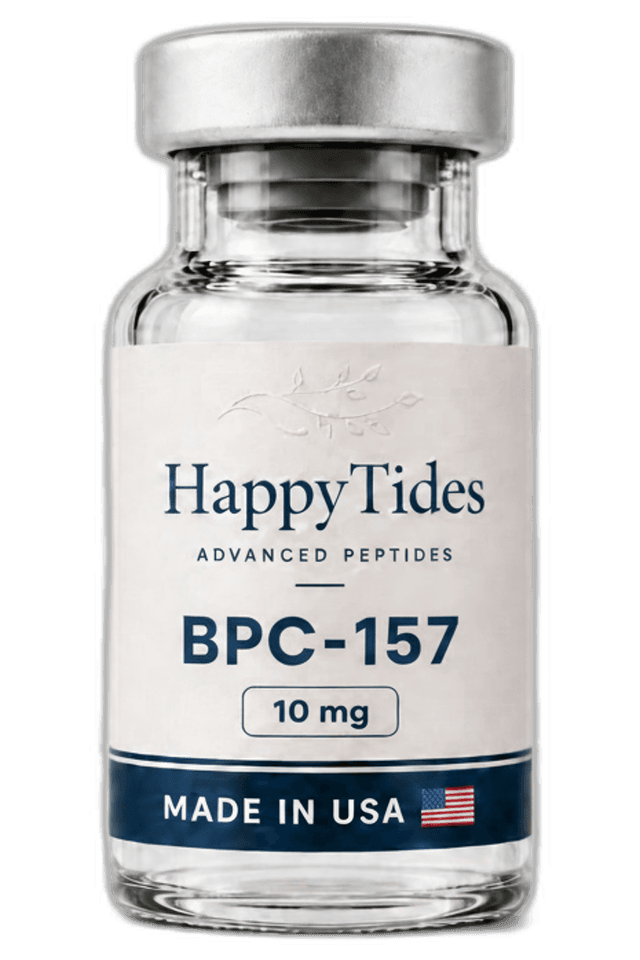
Available now
Get BPC-157
Identity-verified, third-party tested, made in the USA, and traceable to its lot - with a scannable COA on every vial. For research use only.
See pricing & order →Go deeper
More on BPC-157
Keep exploring
Related peptides
For in-vitro laboratory research use only. Not for human or animal consumption. Bodily introduction into humans or animals is strictly prohibited by law. BPC-157 is not a drug and is not intended to diagnose, treat, cure, or prevent any disease. These statements have not been evaluated by the FDA.
Complete the stack
Researchers often pair BPC-157 with
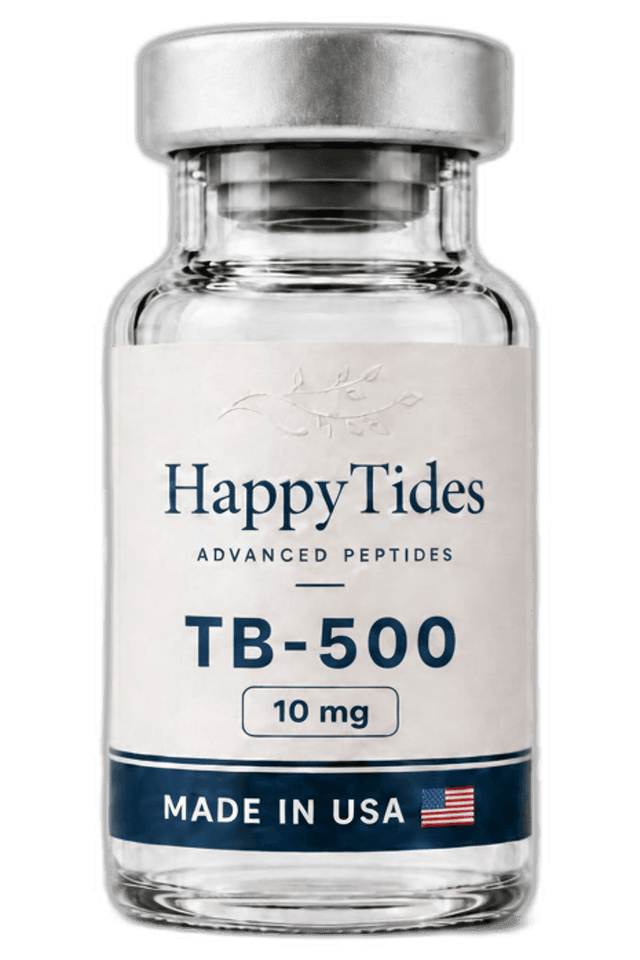
The canonical co-studied tissue-repair pair - cytoprotective signaling alongside actin-regulated cell migration.
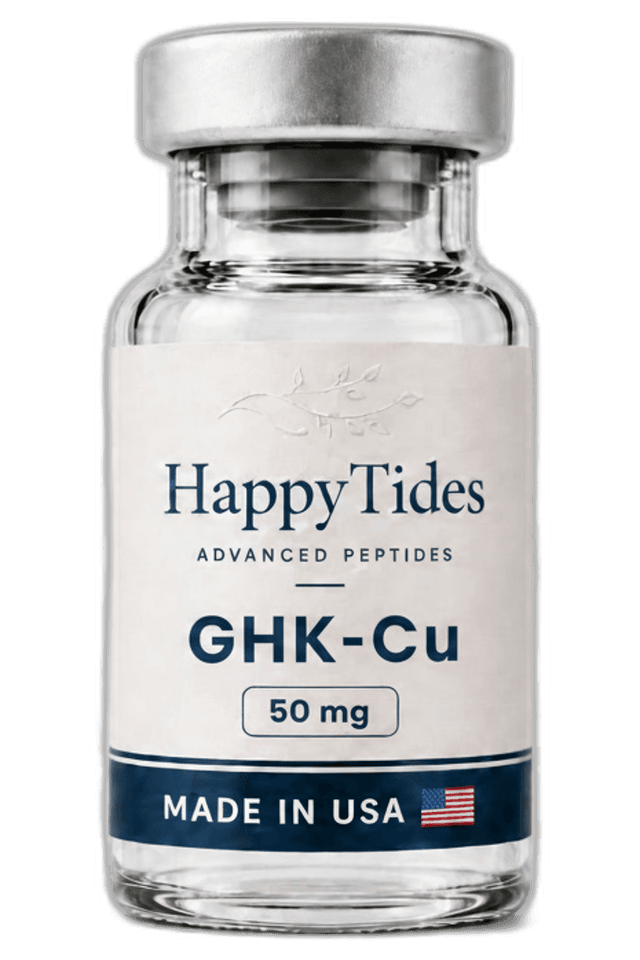
Copper-peptide ECM / collagen-remodeling research sits in the same repair axis.
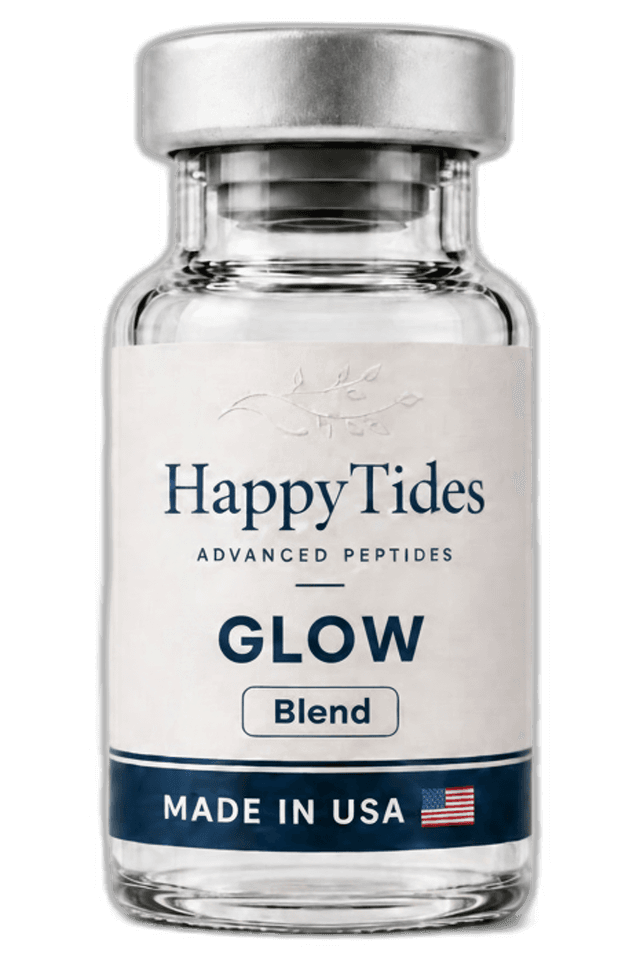
BPC-157 is one of three peptides in the GLOW research stack - the consolidated repair + dermal kit.