
TB-500
Also known as TB500 · TB4 fragment · Ac-LKKTETQ · N-acetyl thymosin β-4 (17-23)
TB-500 is the N-acetylated heptapeptide Ac-LKKTETQ derived from residues 17-23 of thymosin β-4, encompassing the conserved LKKTET actin-binding motif characteristic of WH2-domain peptides.
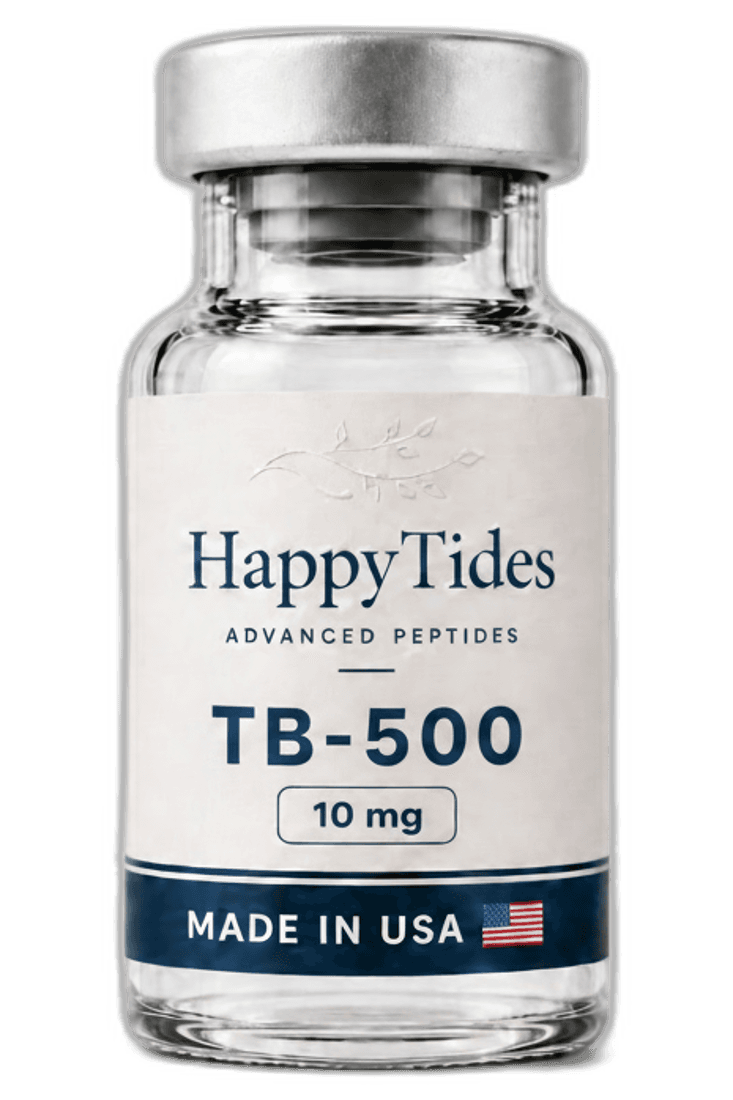
The overview
What is TB-500?
TB-500 is the N-acetylated heptapeptide Ac-LKKTETQ derived from residues 17-23 of thymosin β-4, encompassing the conserved LKKTET actin-binding motif characteristic of WH2-domain peptides. In cell-free and cultured-cell systems, parent thymosin β-4 functions as the principal intracellular G-actin (monomeric actin) sequestering peptide: it binds G-actin in a 1:1 complex (reported Kd in the sub-micromolar to low-micromolar range), inhibits nucleotide exchange, and holds actin in a polymerization-incompetent state, thereby buffering the pool of unpolymerized actin available for filament (F-actin) assembly. Mutational and NMR mapping studies localize the principal actin contacts to electrostatic interactions involving the LKKTET motif lysines and an N-terminal helix. At the signaling level, in-vitro models associate this actin-regulatory activity with modulation of cytoskeletal dynamics relevant to endothelial cell migration, tubule formation, and angiogenic sprouting. The framing here is receptor-independent cytoskeletal/biochemical regulation in laboratory models only.
In the research
Where TB-500 shows up
The areas researchers focus on with TB-500 - and why it has the science community paying attention.
- In-vitro G-actin sequestration and actin-monomer buffering assays
- Actin filament (F-actin) polymerization kinetics in cell-free systems
- Cytoskeletal dynamics and cell-migration models (endothelial/fibroblast cultures)
- Angiogenesis and endothelial tubule-formation in-vitro models
- Structure-activity mapping of the LKKTET / WH2 actin-binding motif (NMR, mutational analysis)
- Comparative β-thymosin family biochemistry
By the numbers
The facts that matter
To the molecule
Molecular specifications
Ac-Leu-Lys-Lys-Thr-Glu-Thr-Gln-OH (Ac-LKKTETQ); corresponds to residues 17-23 of thymosin β-4, containing the conserved LKKTET actin-binding motifSourced, not claimed
The science behind it
The peer-reviewed studies behind TB-500, linked so you can read them yourself.
- Goldstein, A. L., et al. (2012). Thymosin beta 4: actin-sequestering peptide pathways in wound healing and tissue regeneration. Vitamins and Hormones.
- Smart, N., et al. (2011). Thymosin beta 4 induces adult myocardial regeneration and neovascularization. Nature.
Straight answers
Questions, answered
Is TB-500 approved by the FDA?
No. TB-500 is not an FDA-approved drug. We supply it as a research-use-only reference compound, identity-verified for purity with a COA on every vial.
What class of compound is TB-500?
TB-500 is classified as: Synthetic β-thymosin-derived heptapeptide (N-acetylated actin-binding fragment); WH2-motif-containing actin-sequestering peptide.
What is the molecular weight of TB-500?
The molecular weight of TB-500 is ~889.0 g/mol (free base; acetate salt form ~949.1 g/mol), with a molecular formula of C38H68N10O14 (free base); acetate salt C40H72N10O16 (PubChem CID 155977548).
What is the CAS number for TB-500?
The CAS Registry Number for TB-500 is 885340-08-9.
What is the amino acid sequence of TB-500?
TB-500 has the sequence: Ac-Leu-Lys-Lys-Thr-Glu-Thr-Gln-OH (Ac-LKKTETQ); corresponds to residues 17-23 of thymosin β-4, containing the conserved LKKTET actin-binding motif.
Available now
Get TB-500
Identity-verified, third-party tested, made in the USA, and traceable to its lot - with a scannable COA on every vial. For research use only.
See pricing & order →Go deeper
More on TB-500
Keep exploring
Related peptides
For in-vitro laboratory research use only. Not for human or animal consumption. Bodily introduction into humans or animals is strictly prohibited by law. TB-500 is not a drug and is not intended to diagnose, treat, cure, or prevent any disease. These statements have not been evaluated by the FDA.
Complete the stack
Researchers often pair TB-500 with
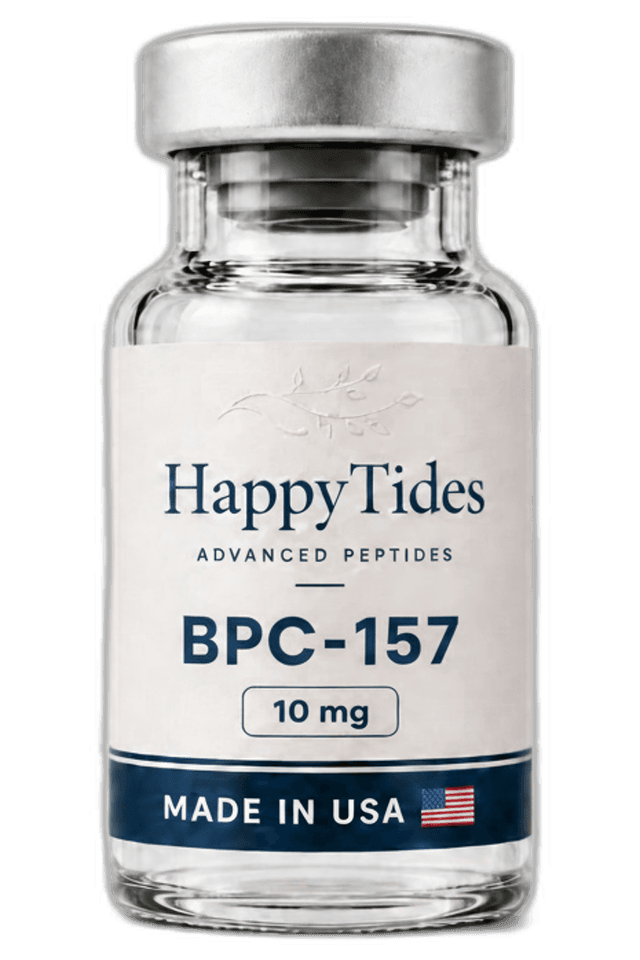
Reciprocal of the canonical repair pairing - actin-driven migration co-investigated with cytoprotective signaling.
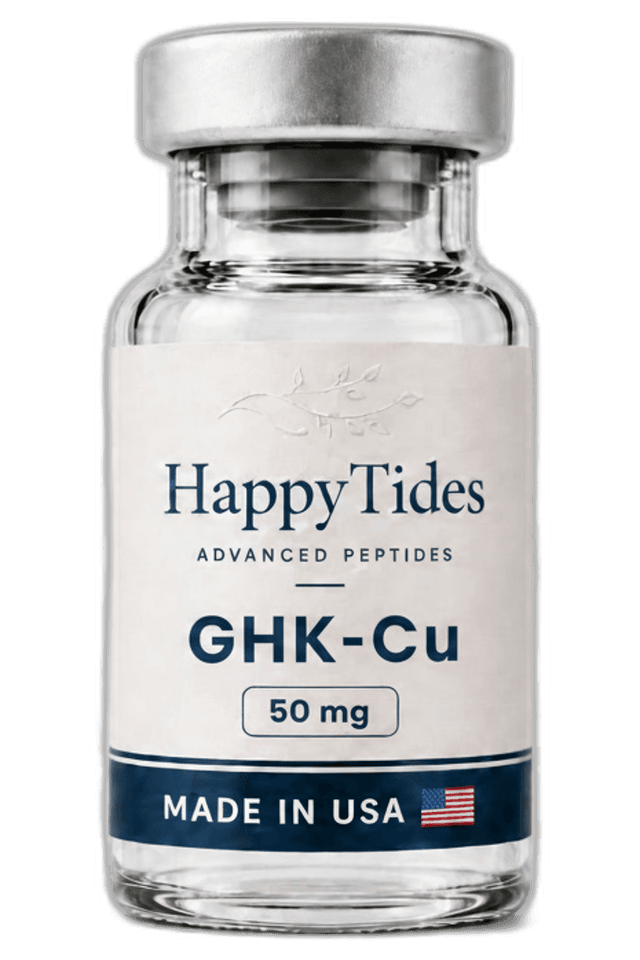
Collagen-matrix remodeling research complements actin-regulated migration in the repair axis.
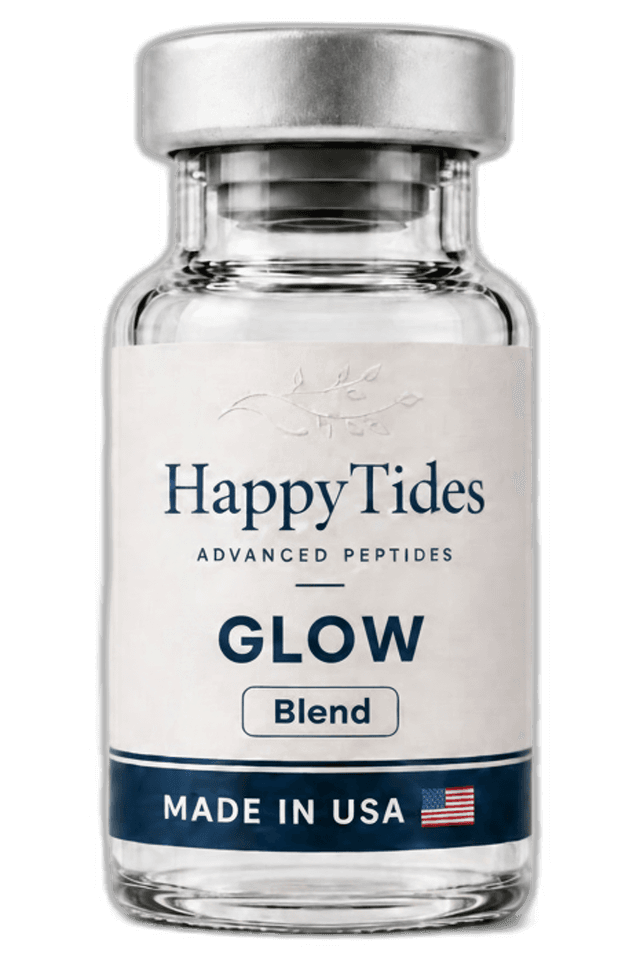
TB-500 is a named component of the GLOW research stack - the pre-combined repair + dermal kit.