
Healing & Recovery Peptides Compared
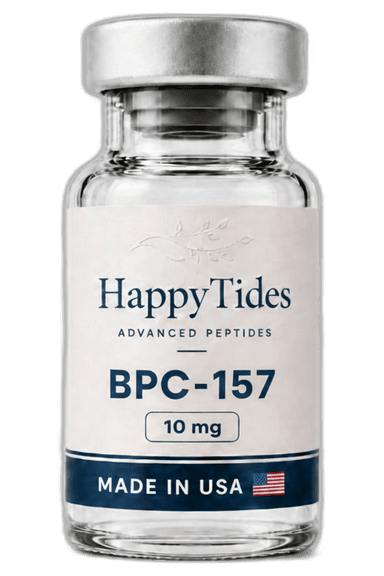
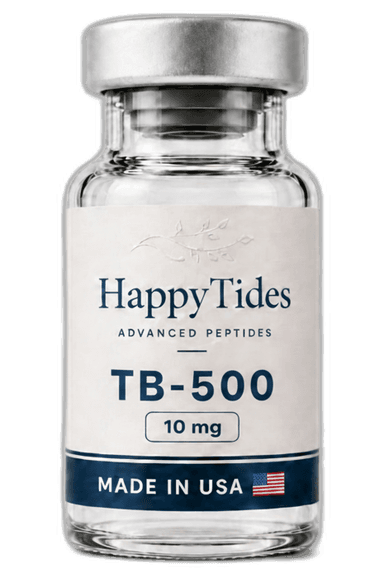
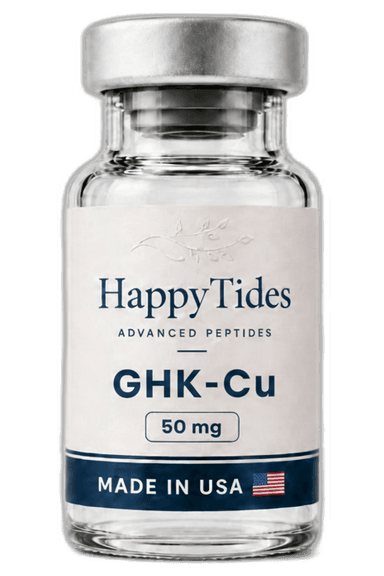
The peptides grouped here under the "regenerative" or "recovery" heading - BPC-157, TB-500, GHK-Cu, and KPV - are studied together not because they share a receptor, but because their reported in-vitro activities converge on tissue-remodeling biology: endothelial signaling, cytoskeletal dynamics, extracellular-matrix gene expression, and inflammatory-pathway modulation. Mechanistically, however, they are four very different molecules. One is a 15-residue cytoprotective oligopeptide, one is an actin-binding β-thymosin fragment, one is a copper-coordination complex, and one is a melanocortin-derived tripeptide that moves through a peptide transporter. This page compares them strictly on molecular and receptor-signaling grounds - class, sequence, mass, and the cellular pathways each engages in laboratory models - rather than on any human or clinical readout. Every statement is drawn from the cited in-vitro and ex-vivo literature in the reference dataset; nothing here describes a personal-use protocol, an outcome, or an efficacy claim. Read it as a class roundup for distinguishing four mechanistically distinct research compounds that happen to be discussed within the same regenerative-signaling framework.
Research use onlyAt a glance
How they line up
| Aspect | BPC-157 | TB-500 | GHK-Cu | KPV |
|---|---|---|---|---|
| Molecular class | Synthetic pentadecapeptide (15-aa cytoprotective/pro-angiogenic oligopeptide) | Synthetic β-thymosin-derived heptapeptide (N-acetylated actin-binding fragment) | Copper-binding tripeptide / Cu(II) coordination complex (matricellular) | Melanocortin-derived C-terminal tripeptide (alpha-MSH 11-13) |
| Sequence | GEPPPGKPADDAGLV (Gly-Glu-Pro-Pro-Pro-Gly-Lys-Pro-Ala-Asp-Asp-Ala-Gly-Leu-Val) | Ac-LKKTETQ (residues 17-23 of thymosin β-4; LKKTET motif) | Gly-His-Lys (GHK) complexed 1:1 with Cu(II) | Lys-Pro-Val (KPV) |
| Molecular weight | ~1419.5 g/mol (C62H98N16O22) | ~889.0 g/mol free base (C38H68N10O14) | 401.91 g/mol complex (C14H22CuN6O4); free GHK 340.38 g/mol | 342.43 g/mol (C16H30N4O4) |
| Primary in-vitro mechanism | Modulates endothelial/fibroblast signaling: VEGFR2-Akt-eNOS, Src-Caveolin-1-eNOS, FAK/paxillin cytoskeletal signaling | G-actin sequestration; holds monomeric actin in polymerization-incompetent state | Copper carrier; stimulates collagen I/III expression; modulates MMP-2 / TIMP-1/2 | PepT1-mediated uptake; attenuates cytokine-stimulated NF-kB and MAP-kinase signaling |
| Receptor / target dependence | No single cloned receptor; framed around nitric-oxide-system interaction | Receptor-independent; direct LKKTET-motif binding to actin | Copper-coordination dependent (metal moiety required for MMP-2 effect) | PepT1 transporter-dependent; reported at least partially MC1R-independent |
| Reported in-vitro research areas | Angiogenesis signaling, eNOS/NO regulation, tendon fibroblast cytoskeleton, cytoprotection assays | Actin-monomer buffering, F-actin polymerization kinetics, cell-migration & angiogenesis models, WH2/LKKTET SAR | ECM remodeling (collagen/GAG), Cu(II) coordination chemistry, MMP/TIMP balance, transcriptomic profiling | PepT1 uptake, NF-kB/MAPK modulation, MC-receptor-independent signaling, antimicrobial/membrane assays |
- BPC-157
- Synthetic pentadecapeptide (15-aa cytoprotective/pro-angiogenic oligopeptide)
- TB-500
- Synthetic β-thymosin-derived heptapeptide (N-acetylated actin-binding fragment)
- GHK-Cu
- Copper-binding tripeptide / Cu(II) coordination complex (matricellular)
- KPV
- Melanocortin-derived C-terminal tripeptide (alpha-MSH 11-13)
- BPC-157
- GEPPPGKPADDAGLV (Gly-Glu-Pro-Pro-Pro-Gly-Lys-Pro-Ala-Asp-Asp-Ala-Gly-Leu-Val)
- TB-500
- Ac-LKKTETQ (residues 17-23 of thymosin β-4; LKKTET motif)
- GHK-Cu
- Gly-His-Lys (GHK) complexed 1:1 with Cu(II)
- KPV
- Lys-Pro-Val (KPV)
- BPC-157
- ~1419.5 g/mol (C62H98N16O22)
- TB-500
- ~889.0 g/mol free base (C38H68N10O14)
- GHK-Cu
- 401.91 g/mol complex (C14H22CuN6O4); free GHK 340.38 g/mol
- KPV
- 342.43 g/mol (C16H30N4O4)
- BPC-157
- Modulates endothelial/fibroblast signaling: VEGFR2-Akt-eNOS, Src-Caveolin-1-eNOS, FAK/paxillin cytoskeletal signaling
- TB-500
- G-actin sequestration; holds monomeric actin in polymerization-incompetent state
- GHK-Cu
- Copper carrier; stimulates collagen I/III expression; modulates MMP-2 / TIMP-1/2
- KPV
- PepT1-mediated uptake; attenuates cytokine-stimulated NF-kB and MAP-kinase signaling
- BPC-157
- No single cloned receptor; framed around nitric-oxide-system interaction
- TB-500
- Receptor-independent; direct LKKTET-motif binding to actin
- GHK-Cu
- Copper-coordination dependent (metal moiety required for MMP-2 effect)
- KPV
- PepT1 transporter-dependent; reported at least partially MC1R-independent
- BPC-157
- Angiogenesis signaling, eNOS/NO regulation, tendon fibroblast cytoskeleton, cytoprotection assays
- TB-500
- Actin-monomer buffering, F-actin polymerization kinetics, cell-migration & angiogenesis models, WH2/LKKTET SAR
- GHK-Cu
- ECM remodeling (collagen/GAG), Cu(II) coordination chemistry, MMP/TIMP balance, transcriptomic profiling
- KPV
- PepT1 uptake, NF-kB/MAPK modulation, MC-receptor-independent signaling, antimicrobial/membrane assays
The difference
Four molecular classes, not one drug class
So a roundup that lumps them as "healing peptides" is grouping an oligopeptide, an actin-sequestering fragment, a metal-peptide complex, and a melanocortin fragment.
The first thing that separates these compounds is what kind of molecule each one is. BPC-157 is a synthetic pentadecapeptide (Gly-Glu-Pro-Pro-Pro-Gly-Lys-Pro-Ala-Asp-Asp-Ala-Gly-Leu-Val), a 15-amino-acid sequence derived from a partial region of a human gastric-juice protein, with an average mass near 1419.5 g/mol. TB-500 is much smaller and structurally specialized: an N-acetylated heptapeptide, Ac-Leu-Lys-Lys-Thr-Glu-Thr-Gln, corresponding to residues 17-23 of thymosin β-4 and built around the conserved LKKTET actin-binding motif of WH2-domain peptides (free-base mass ~889 g/mol). GHK-Cu is not a plain peptide at all but a 1:1 coordination complex of the tripeptide glycyl-L-histidyl-L-lysine with copper(II), formula C14H22CuN6O4, ~401.9 g/mol; the copper is integral to its chemistry. KPV is the smallest of the set - the C-terminal tripeptide Lys-Pro-Val of alpha-melanocyte-stimulating hormone (alpha-MSH 11-13), C16H30N4O4, ~342.4 g/mol. Their shared label is functional shorthand from the literature, not a statement that they operate alike.
Worth knowing
Distinct cellular signaling pathways
Mechanistically the four compounds diverge almost completely.
In endothelial-cell and isolated-tissue models, BPC-157 is described as a modulator of endothelial and fibroblast signaling rather than a single-receptor ligand: reported in-vitro work shows up-regulation of VEGFR2 expression and internalization driving the VEGFR2-Akt-eNOS cascade (dynasore-sensitive), a VEGF-independent Src-Caveolin-1-eNOS route affecting nitric-oxide output, and FAK/paxillin phosphorylation with F-actin assembly in tendon fibroblasts. TB-500 works through its parent's biochemistry: thymosin β-4 is the principal intracellular G-actin-sequestering peptide, binding monomeric actin roughly 1:1 and holding it in a polymerization-incompetent state - receptor-independent cytoskeletal regulation. GHK-Cu acts via copper coordination: the complex serves as a copper carrier and, in cultured fibroblasts, up-regulates collagen I/III gene and protein expression near nanomolar concentrations and coordinately modulates MMP-2 with TIMP-1/TIMP-2, with transcriptomic profiling indicating broad matrix-remodeling gene-set effects. KPV is different again: in intestinal epithelial and immune cell lines it is reported to enter cells via the PepT1 di/tripeptide transporter, then attenuate cytokine-stimulated NF-kB and MAP-kinase signaling in a manner described as receptor-independent. Four molecules, four signaling stories.
The difference
Receptor dependence and the role of context
GHK-Cu's distinguishing feature is the copper ion - an MMP-2 effect is attributable to the copper moiety rather than the apo-peptide, underscoring that the metal is not incidental.
A useful axis for comparing these compounds is how much each one depends on a defined receptor or carrier versus acting through direct biochemistry. BPC-157, as characterized in the dataset, does not act on a single cloned receptor; its in-vitro profile is framed around interaction with the nitric-oxide system and modulation of VEGFR2 expression and eNOS activity, with reported activity spanning nanomolar-to-micromolar concentrations. TB-500 is explicitly receptor-independent at the molecular level: the LKKTET motif makes electrostatic contacts with G-actin (mapped by NMR and mutational analysis), and its angiogenesis-relevant activity in endothelial models is tied to that actin-binding motif rather than to receptor occupancy. KPV depends on a transporter context: PepT1 is induced in inflamed epithelium, and its anti-inflammatory signaling in cell and animal models is reported as at least partially independent of MC1R, distinguishing it from full alpha-MSH melanocortin-receptor agonism that drives pigmentation. The alpha-MSH C-terminus is also reported to have direct antimicrobial/membrane effects against organisms such as Candida albicans and Staphylococcus aureus in vitro. Context - carrier, cofactor, or pathway state - shapes each profile differently.
Straight answers
Frequently asked questions
Why are these four peptides grouped together as "regenerative" or "recovery" peptides?
They are grouped by the convergence of their reported in-vitro activities on tissue-remodeling biology - endothelial signaling, cytoskeletal dynamics, extracellular-matrix gene expression, and inflammatory-pathway modulation - not because they share a receptor or molecular class. As the dataset shows, they span an oligopeptide (BPC-157), an actin-binding β-thymosin fragment (TB-500), a copper-coordination complex (GHK-Cu), and a melanocortin-derived tripeptide (KPV). The label is functional shorthand from the research literature.
Do BPC-157, TB-500, GHK-Cu, and KPV act through the same receptor?
No. They act through entirely different mechanisms in laboratory models. BPC-157 is not characterized as acting on a single cloned receptor and is framed around nitric-oxide-system interaction (VEGFR2-Akt-eNOS and Src-Caveolin-1-eNOS pathways). TB-500 is receptor-independent, binding G-actin directly via its LKKTET motif. GHK-Cu acts as a copper-coordination complex modulating ECM-related gene expression. KPV enters cells via the PepT1 transporter and modulates NF-kB and MAP-kinase signaling, reported as at least partially independent of the MC1R melanocortin receptor.
What is the structural role of copper in GHK-Cu compared with the other peptides?
Copper is integral, not incidental. GHK-Cu is the 1:1 coordination complex of glycyl-L-histidyl-L-lysine with Cu(II) (C14H22CuN6O4, ~401.9 g/mol). In the cited fibroblast work, its MMP-2 modulation is attributable to the copper moiety rather than the apo-peptide, so the metal is a defining part of its chemistry. By contrast BPC-157, TB-500, and KPV are non-metal peptides whose reported activity derives from their amino-acid sequences and, for TB-500, a conserved actin-binding motif.
How does KPV's mechanism differ from the others in this comparison?
KPV is the C-terminal tripeptide of alpha-MSH (Lys-Pro-Val). In cultured intestinal epithelial and immune cells it is reported to be taken up via the proton-coupled di/tripeptide transporter PepT1 - which is induced in inflamed epithelium - and then to attenuate cytokine-stimulated NF-kB and MAP-kinase signaling. This transporter-mediated, signaling-pathway modulation is distinct from BPC-157's endothelial/NO-system framing, TB-500's actin sequestration, and GHK-Cu's copper-dependent ECM gene-expression effects.
Are any efficacy or dosing comparisons made on this page?
No. This comparison is limited to molecular and receptor-signaling characteristics - class, sequence, molecular weight, and the cellular pathways each peptide engages in in-vitro and ex-vivo models. All statements are drawn from the cited laboratory-research literature in the reference dataset. No human dosing, therapeutic outcome, disease-treatment, or efficacy claims are made or implied for any of the four compounds.
Go to the source
Read the full references
For in-vitro laboratory research use only. Not for human or animal consumption. Comparisons are on molecular and receptor-signaling grounds only and do not describe or imply human outcomes or efficacy. Not evaluated by the FDA.