
BPC-157 + TB-500: Stack Rationale (Research)
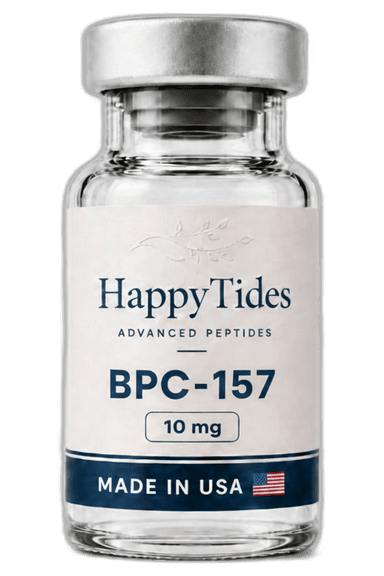
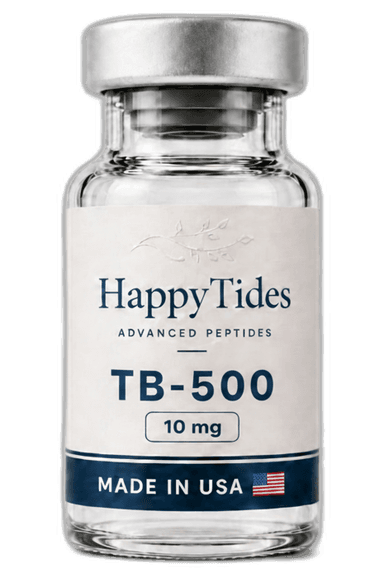
BPC-157 and TB-500 are frequently paired in laboratory reference discussions because their reported in-vitro mechanisms converge on a shared theme: the regulation of actin dynamics and endothelial cell behavior. The two peptides reach that theme from opposite directions. BPC-157, a synthetic 15-residue oligopeptide (GEPPPGKPADDAGLV, C62H98N16O22, ~1419.5 g/mol), is described in cell-based and isolated-tissue models as a modulator of endothelial and fibroblast signaling, acting through the VEGFR2-Akt-eNOS cascade and through FAK/paxillin phosphorylation that drives F-actin assembly. TB-500, the N-acetylated heptapeptide Ac-LKKTETQ (~889.0 g/mol free base, C38H68N10O14) corresponding to residues 17-23 of thymosin beta-4, works upstream at the level of the actin monomer itself: in cell-free systems the parent protein sequesters G-actin, holding it in a polymerization-incompetent state. This page frames why the two are co-studied strictly on receptor-signaling and molecular grounds, drawing only on their dataset entries. Nothing here describes human use, dosing, or therapeutic outcome; the rationale is mechanistic and confined to in-vitro and ex-vivo observations.
Research use onlyAt a glance
How they line up
| Aspect | BPC-157 | TB-500 |
|---|---|---|
| Peptide class | Synthetic pentadecapeptide; partial sequence of human gastric-juice BPC protein; cytoprotective/pro-angiogenic research peptide | Synthetic beta-thymosin-derived, N-acetylated heptapeptide; WH2-motif-containing actin-sequestering peptide |
| Sequence | Gly-Glu-Pro-Pro-Pro-Gly-Lys-Pro-Ala-Asp-Asp-Ala-Gly-Leu-Val (GEPPPGKPADDAGLV); 15 residues | Ac-Leu-Lys-Lys-Thr-Glu-Thr-Gln-OH (Ac-LKKTETQ); 7 residues; residues 17-23 of thymosin beta-4 with the LKKTET motif |
| Molecular formula | C62H98N16O22 | C38H68N10O14 (free base); acetate salt C40H72N10O16 |
| Molecular weight | ~1419.5 g/mol | ~889.0 g/mol (free base); ~949.1 g/mol (acetate salt) |
| Reported in-vitro mechanism | Modulates endothelial/fibroblast signaling: up-regulates VEGFR2 and activates VEGFR2-Akt-eNOS (dynasore-sensitive); VEGF-independent Src-Caveolin-1-eNOS NO route; FAK/paxillin phosphorylation and F-actin assembly in fibroblasts | Receptor-independent G-actin sequestration: binds monomeric actin 1:1, inhibits nucleotide exchange, holds actin polymerization-incompetent via LKKTET electrostatic contacts |
| Mechanistic layer engaged | Receptor and kinase signaling (VEGFR2, Akt, eNOS, Src, FAK/paxillin) | Actin-monomer substrate level (biochemical, no cloned receptor in dataset) |
| Receptor dependence | Signaling-modulator framing across receptor/kinase cascades; not a single-receptor ligand | Receptor-independent cytoskeletal/biochemical regulation |
| Shared research overlap | In-vitro angiogenesis (VEGFR2 pathway) and fibroblast cytoskeletal/cell-migration models | In-vitro angiogenesis/endothelial tubule-formation and cytoskeletal/cell-migration models |
| Distinct research areas | Src-Caveolin-1 eNOS axis, ex-vivo vasomotor tone, nitric-oxide-system framing, oxidative-stress survival assays | Cell-free F-actin polymerization kinetics, LKKTET/WH2 structure-activity mapping (NMR/mutational), comparative beta-thymosin biochemistry |
- BPC-157
- Synthetic pentadecapeptide; partial sequence of human gastric-juice BPC protein; cytoprotective/pro-angiogenic research peptide
- TB-500
- Synthetic beta-thymosin-derived, N-acetylated heptapeptide; WH2-motif-containing actin-sequestering peptide
- BPC-157
- Gly-Glu-Pro-Pro-Pro-Gly-Lys-Pro-Ala-Asp-Asp-Ala-Gly-Leu-Val (GEPPPGKPADDAGLV); 15 residues
- TB-500
- Ac-Leu-Lys-Lys-Thr-Glu-Thr-Gln-OH (Ac-LKKTETQ); 7 residues; residues 17-23 of thymosin beta-4 with the LKKTET motif
- BPC-157
- C62H98N16O22
- TB-500
- C38H68N10O14 (free base); acetate salt C40H72N10O16
- BPC-157
- ~1419.5 g/mol
- TB-500
- ~889.0 g/mol (free base); ~949.1 g/mol (acetate salt)
- BPC-157
- Modulates endothelial/fibroblast signaling: up-regulates VEGFR2 and activates VEGFR2-Akt-eNOS (dynasore-sensitive); VEGF-independent Src-Caveolin-1-eNOS NO route; FAK/paxillin phosphorylation and F-actin assembly in fibroblasts
- TB-500
- Receptor-independent G-actin sequestration: binds monomeric actin 1:1, inhibits nucleotide exchange, holds actin polymerization-incompetent via LKKTET electrostatic contacts
- BPC-157
- Receptor and kinase signaling (VEGFR2, Akt, eNOS, Src, FAK/paxillin)
- TB-500
- Actin-monomer substrate level (biochemical, no cloned receptor in dataset)
- BPC-157
- Signaling-modulator framing across receptor/kinase cascades; not a single-receptor ligand
- TB-500
- Receptor-independent cytoskeletal/biochemical regulation
- BPC-157
- In-vitro angiogenesis (VEGFR2 pathway) and fibroblast cytoskeletal/cell-migration models
- TB-500
- In-vitro angiogenesis/endothelial tubule-formation and cytoskeletal/cell-migration models
- BPC-157
- Src-Caveolin-1 eNOS axis, ex-vivo vasomotor tone, nitric-oxide-system framing, oxidative-stress survival assays
- TB-500
- Cell-free F-actin polymerization kinetics, LKKTET/WH2 structure-activity mapping (NMR/mutational), comparative beta-thymosin biochemistry
The difference
Why these two are co-studied
BPC-157's reported activity in tendon fibroblast models includes increased FAK and paxillin phosphorylation, promotion of F-actin assembly, and enhanced cell spreading and migration.
The co-study rationale rests on a single intersecting node in the dataset: actin cytoskeletal dynamics. TB-500's defining biochemistry, derived from its parent thymosin beta-4, is the opposite operation on the same substrate: it binds monomeric G-actin in a 1:1 complex and buffers the pool of unpolymerized actin available for filament assembly. Because one peptide is associated with promoting filament organization in fibroblast culture while the other governs the availability of the monomer feedstock that filaments draw from, the two are naturally examined side by side in cytoskeletal and cell-migration assays. A second shared interest reinforces the pairing: both entries report relevance to in-vitro angiogenesis and endothelial behavior. BPC-157 up-regulates VEGFR2 and activates the VEGFR2-Akt-eNOS pathway in vascular endothelial cells; TB-500's LKKTET actin-binding motif is documented as required for the angiogenic activity of thymosin beta-4 in endothelial cell models. This overlap in endothelial migration and tubule-formation models is the laboratory basis for treating them as complementary research probes rather than redundant ones. The framing is mechanistic only and makes no claim about combined effect in any living subject.
Worth knowing
Complementary signaling, not duplicated signaling
Neither entry reports the two converging on the same receptor or the same binding partner, so the complementarity is structural and pathway-level, not a matter of redundant agonism at one target.
The two peptides are mechanistically complementary because they engage the cytoskeletal and angiogenic axis at different layers. TB-500 is described as receptor-independent: its activity is biochemical, governed by electrostatic contacts between the LKKTET-motif lysines (and an N-terminal helix) and G-actin, inhibiting nucleotide exchange and controlling the monomer pool. It does not act on a cloned cell-surface receptor in the dataset's framing. BPC-157, by contrast, is described as a signaling modulator rather than a single-receptor ligand, operating through receptor-level and kinase cascades: VEGFR2 expression and internalization (dynasore-sensitive), the VEGFR2-Akt-eNOS pathway, a VEGF-independent Src-Caveolin-1-eNOS route that increases nitric oxide output, and FAK/paxillin signaling in fibroblasts. Placed together, one peptide operates at the level of actin-monomer availability (a substrate-level lever) and the other at the level of receptor and kinase signaling that, among other outputs, organizes F-actin (a signaling-level lever). That separation of mechanistic layers is precisely what makes them attractive as a co-studied pair in vitro: they probe complementary, non-overlapping control points on cytoskeletal and endothelial behavior.
The difference
Molecular and structural contrast
TB-500 is a much smaller synthetic N-acetylated heptapeptide (7 residues, Ac-LKKTETQ), molecular formula C38H68N10O14 in the free base with a molecular weight near 889.
Structurally the two peptides sit at opposite ends of the small-peptide range and belong to different classes. BPC-157 is a synthetic pentadecapeptide (15 amino acids, GEPPPGKPADDAGLV) representing a partial sequence of the BPC protein found in human gastric juice, with molecular formula C62H98N16O22 and a molecular weight near 1419.5 g/mol; its dataset class is cytoprotective/pro-angiogenic research peptide. 0 g/mol (the acetate salt form is reported at ~949.1 g/mol); its class is a beta-thymosin-derived, WH2-motif-containing actin-sequestering peptide drawn from residues 17-23 of thymosin beta-4. The N-acetylation and the conserved LKKTET motif are the structural features that define TB-500's actin contacts, whereas BPC-157 carries no such single defining motif and is instead characterized by its broader signaling profile. The roughly 1.6-fold mass difference and the distinct origins (gastric-juice-derived partial sequence versus beta-thymosin fragment) underscore that these are unrelated molecules that happen to be studied against overlapping cytoskeletal and angiogenic readouts. Their pairing is functional and mechanistic, not chemical or family-based.
Worth knowing
Shared in-vitro readouts that link the research areas
The shared columns explain co-study; the distinct columns explain why each is still examined on its own terms.
The dataset's listed research areas show where laboratory work on the two peptides physically overlaps. Both include cell-migration and cytoskeletal models: BPC-157 lists tendon fibroblast cytoskeletal signaling (FAK/paxillin phosphorylation, F-actin assembly, cell migration), and TB-500 lists cytoskeletal dynamics and cell-migration models in endothelial and fibroblast cultures. Both also include angiogenesis and endothelial readouts: BPC-157 lists in-vitro angiogenesis signaling via VEGFR2 expression, internalization, and VEGFR2-Akt-eNOS activation, while TB-500 lists angiogenesis and endothelial tubule-formation in-vitro models. A migration or tubule-formation assay run on endothelial or fibroblast cultures is therefore a common experimental surface where both peptides can be characterized using the same instrumentation and the same morphological and signaling endpoints, such as F-actin staining, migration distance, or VEGFR2 pathway phosphorylation. Where they diverge is in their non-shared research areas: BPC-157 uniquely lists eNOS regulation via the Src-Caveolin-1 axis, ex-vivo vasomotor-tone modulation, nitric-oxide-system interaction, and oxidative-stress survival assays, while TB-500 uniquely lists G-actin sequestration assays, F-actin polymerization kinetics in cell-free systems, structure-activity mapping of the LKKTET/WH2 motif by NMR and mutational analysis, and comparative beta-thymosin family biochemistry.
Straight answers
Frequently asked questions
Why are BPC-157 and TB-500 discussed together in laboratory research?
Their dataset entries converge on actin cytoskeletal dynamics and in-vitro angiogenesis. BPC-157 is reported to promote F-actin assembly through FAK/paxillin signaling and to activate the VEGFR2-Akt-eNOS pathway in endothelial cells, while TB-500 governs the supply of monomeric G-actin that filaments draw from. Because both are characterized against overlapping cell-migration, endothelial, and tubule-formation models, they are studied side by side as complementary research probes.
Do BPC-157 and TB-500 act on the same molecular target?
No. The dataset frames TB-500 as receptor-independent: its activity is biochemical, binding monomeric G-actin via the LKKTET motif and inhibiting nucleotide exchange. BPC-157 is framed as a signaling modulator engaging receptor- and kinase-level cascades such as VEGFR2, Akt, eNOS, Src, and FAK/paxillin. Neither entry reports the two converging on the same receptor or binding partner, which is why their pairing is described as complementary rather than redundant.
What does 'complementary signaling' mean for this pair in mechanistic terms?
It means the two peptides engage the cytoskeletal and angiogenic axis at different layers. TB-500 operates at the actin-monomer substrate level, controlling the pool of unpolymerized actin. BPC-157 operates at the receptor and kinase signaling level, which among other outputs organizes F-actin in fibroblast models. Because these are distinct, non-overlapping control points in vitro, they probe different mechanistic levers on the same general process.
How do the two peptides differ structurally?
BPC-157 is a 15-residue synthetic pentadecapeptide (GEPPPGKPADDAGLV, C62H98N16O22, ~1419.5 g/mol) representing a partial sequence of the BPC protein from human gastric juice. TB-500 is a 7-residue N-acetylated heptapeptide (Ac-LKKTETQ, C38H68N10O14 free base, ~889.0 g/mol) corresponding to residues 17-23 of thymosin beta-4 and carrying the conserved LKKTET actin-binding motif. They are unrelated molecules from different peptide classes.
What in-vitro assays would characterize both peptides on common ground?
Cell-migration and cytoskeletal assays in endothelial or fibroblast cultures, and angiogenesis or tubule-formation models, are the shared experimental surface. Both dataset entries list these readouts, allowing endpoints such as F-actin organization, migration distance, or VEGFR2 pathway activation to be measured for each peptide using comparable methods. These are laboratory model-system observations only.
Does this pairing imply any combined human effect?
No. This page is strictly a mechanistic, in-vitro framing based only on the peptides' receptor-signaling and molecular data. It makes no statement about human use, combined administration, dosing, safety, or outcome. The co-study rationale is confined to overlapping laboratory research areas and complementary mechanisms at the cellular and biochemical level.
For in-vitro laboratory research use only. Not for human or animal consumption. Comparisons are on molecular and receptor-signaling grounds only and do not describe or imply human outcomes or efficacy. Not evaluated by the FDA.